Best Cybersecurity Certifications for Beginners Made Easy
Best Cybersecurity Certifications for Beginners sets the stage for an exciting journey into the world of cybersecurity. With digital threats becoming more sophisticated, understanding the foundational certifications available is crucial for anyone looking to break into this dynamic field. Certifications not only validate your skills but also enhance your employability, making them an essential first step for newcomers in cybersecurity.
The landscape of cybersecurity is vast, encompassing various roles and responsibilities. By obtaining recognized certifications, beginners can gain the knowledge and credibility needed to kickstart their careers. This overview will guide you through selecting the right certification, preparing effectively, and navigating your new career path with confidence.
Introduction to Cybersecurity Certifications: Best Cybersecurity Certifications For Beginners
In today’s digital age, the importance of cybersecurity has never been more pronounced. With increasing incidents of data breaches, cyberattacks, and identity theft, organizations are prioritizing the protection of their sensitive information. For beginners looking to enter the field of cybersecurity, obtaining relevant certifications serves as a pivotal step towards establishing a solid foundation in the industry.Cybersecurity certifications play a crucial role in the landscape of IT security by validating an individual’s skills and knowledge in various aspects of cybersecurity.
They help to bridge the gap between theoretical knowledge and practical application, providing a structured path for newcomers to build their expertise. Additionally, with the rapid evolution of technology and cyber threats, certifications ensure that individuals stay updated with the latest practices and frameworks in cybersecurity.
Benefits of Obtaining Certification for Entry-Level Positions
Acquiring cybersecurity certifications offers numerous advantages for those starting their careers in this expanding field. These benefits can significantly enhance job prospects and set candidates apart in a competitive job market. The key benefits include:
- Enhanced Credibility: Certifications provide tangible proof of an individual’s commitment to the field and their understanding of cybersecurity principles.
- Networking Opportunities: Many certification programs include community access, allowing beginners to connect with professionals, mentors, and other learners in the industry.
- Higher Earning Potential: According to industry studies, certified professionals tend to earn higher salaries than their non-certified counterparts, reflecting the value of recognized expertise.
- Broadening Skill Set: Certification programs often cover a wide range of topics, equipping newcomers with essential skills that are relevant to various roles in cybersecurity.
- Access to Job Opportunities: Many employers specifically seek certified candidates when hiring for entry-level positions, as certifications often indicate a baseline level of competence and commitment.
“The right cybersecurity certification can be a game-changer for newcomers, opening doors to critical job opportunities and professional growth.”
Criteria for Selecting the Best Certifications
Choosing the right cybersecurity certification can greatly impact your entry into the field. As a beginner, it’s crucial to understand what factors will guide your decision and help you select a certification that aligns with your career goals, skills, and the expectations of potential employers.When evaluating cybersecurity certifications, several key factors should be considered to ensure you’re making a well-informed choice.
These criteria encompass the credibility of the certification body, the areas of expertise covered, the level of industry recognition, and the alignment with your career aspirations.
Key Factors for Choosing Certifications
Recognizing the important elements in selecting a cybersecurity certification will enhance your understanding of the options available. Here are the essential criteria to keep in mind:
- Reputation of the Certification Body: Certifications from well-known institutions like CompTIA, (ISC)², and Cisco are often preferred due to their established credibility within the industry.
- Content Relevance: Ensure the certification covers foundational topics such as network security, risk management, and incident response, which are vital for beginners.
- Level of Difficulty: Certifications should match your current skills. Entry-level options should be accessible and provide a solid foundation without overwhelming newcomers.
- Industry Recognition: Opt for certifications that are widely recognized by employers, as they often carry more weight in job applications.
- Career Path Alignment: Choose certifications that align with your desired career trajectory, whether it be in network security, ethical hacking, or systems administration.
Types of Certifications for Beginners
Understanding the variety of available certifications is essential for choosing the one that fits your needs as a beginner. The following certifications are particularly relevant:
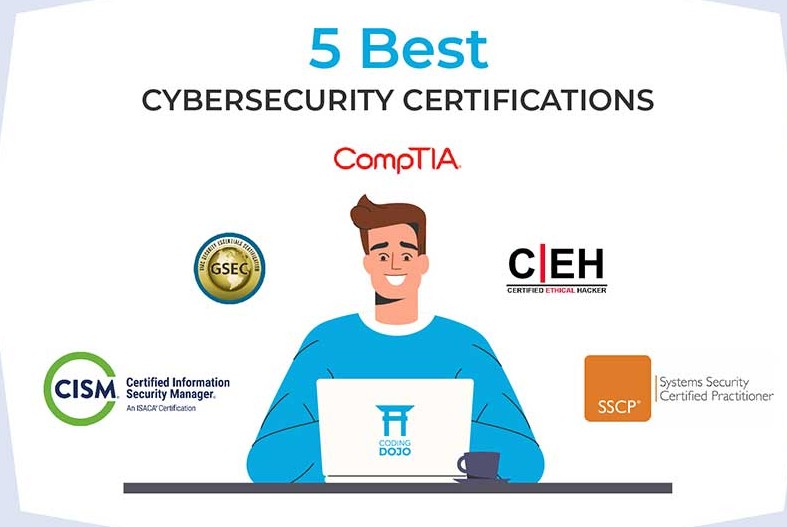
- CompTIA Security+: A foundational certification that covers key principles of cybersecurity, focusing on risk management and response.
- (ISC)² Certified in Cybersecurity: Designed for those new to the field, this certification covers essential cybersecurity concepts and practices.
- Certified Ethical Hacker (CEH): While more advanced, this certification can be pursued by motivated beginners aiming to specialize in ethical hacking.
- Cisco CyberOps Associate: An entry-level certification focusing on cybersecurity operations, providing a solid grounding in security operations and incident response.
Industry Recognition and Value
The recognition and perceived value of a certification can significantly influence your employability. Industry-standard certifications often carry weight in the job market, making them a desirable choice.
“The credibility of your certification can open doors to job opportunities and professional advancement.”
The following certifications are noted for their industry recognition and value:
- CompTIA Security+: This certification is highly regarded and often a requirement for entry-level cybersecurity positions.
- (ISC)² Certified in Cybersecurity: Recognized globally, it provides a strong foundation and is valued by employers looking for candidates who understand basic cybersecurity principles.
- Certified Information Systems Security Professional (CISSP): Although not for beginners, it’s worth mentioning for those who aim to advance their careers in cybersecurity.
- Certified Ethical Hacker (CEH): Employers value this certification for roles related to penetration testing and cybersecurity defense strategies.
Overview of Recommended Certifications
The cybersecurity field is rapidly evolving, and obtaining the right certifications can be a significant stepping stone for beginners. These certifications not only provide essential skills but also enhance employability in a competitive job market. Here, we will explore some of the most recognized and beneficial cybersecurity certifications tailored for individuals just starting their careers.
CompTIA Security+
CompTIA Security+ is one of the foundational certifications that beginners can pursue to gain a solid grounding in cybersecurity concepts. This certification focuses on essential security skills and teaches candidates how to identify and mitigate various security threats.Eligibility for CompTIA Security+ typically requires no formal prerequisites, but having a basic understanding of IT concepts is advantageous. The program covers critical areas such as:
- Network security
- Compliance and operational security
- Threats and vulnerabilities
- Access control and identity management
- Cryptography
The exam consists of multiple-choice and performance-based questions, assessing both theoretical knowledge and practical skills.
Cisco CyberOps Associate
The Cisco CyberOps Associate certification is tailored for those interested in cybersecurity operations and incident response. This certification is ideal for beginners looking to develop a solid understanding of cybersecurity operations within security operation centers (SOCs).There are no specific prerequisites for this certification, although some networking knowledge is beneficial. The curriculum covers:
- Security concepts and principles
- Security monitoring and analysis
- Incident response and handling
- Malware analysis
- Network intrusion analysis
Candidates will learn to identify security threats and respond effectively, making it a practical choice for aspiring cybersecurity professionals.
Certified Ethical Hacker (CEH)
The Certified Ethical Hacker (CEH) certification is designed for individuals who wish to understand and practice ethical hacking techniques. It provides insights into the mind of a hacker, enabling professionals to think like one while defending against malicious attacks.While there are no formal prerequisites, having basic knowledge of networking and security concepts is recommended. The CEH program covers:
- Footprinting and reconnaissance
- Scanning networks
- System hacking
- Malware threats
- Social engineering
The certification emphasizes hands-on experience, allowing candidates to perform real-world hacking techniques in a controlled environment.
Microsoft Certified: Security, Compliance, and Identity Fundamentals
For those interested in working with Microsoft technologies, the Microsoft Certified: Security, Compliance, and Identity Fundamentals certification provides an excellent introduction to the security landscape of Microsoft services.No prerequisites are necessary, making it accessible for anyone interested in this area. The program covers key topics, including:
- Security concepts in Microsoft environments
- Compliance and privacy principles
- Identity and access management
- Security solutions across Microsoft platforms
This certification serves as a stepping stone for further certifications within the Microsoft ecosystem.
GIAC Information Security Fundamentals (GISF)
The GIAC Information Security Fundamentals (GISF) certification is designed to provide a comprehensive understanding of information security principles for those new to the field.While there are no formal prerequisites, familiarity with IT concepts and basic security awareness is advantageous. The GISF program focuses on:
- Information security concepts
- Risk management
- Security controls and countermeasures
- Network security
- Legal issues and compliance
This certification offers a broad overview of security concepts, making it an excellent choice for individuals seeking to establish a foundation in cybersecurity.
Certification Preparation Resources
Getting started in cybersecurity can feel daunting, especially for beginners aiming to earn their first certification. Fortunately, there are numerous resources available that can help streamline the preparation process and enhance learning. This segment will guide you through valuable study materials, effective study plans tailored for beginners, and tips for maximizing the benefits of online courses and training programs.
Study Materials and Resources
Having the right study materials is crucial for effective preparation. Below is a curated list of essential resources that cater to beginners entering the cybersecurity certification landscape:
- Books: Look for comprehensive guides such as “CompTIA Security+ Study Guide” by Mike Chapple and David Seidl, which covers core concepts and exam objectives.
- Online Platforms: Websites like Cybrary and Udemy offer specialized courses tailored for various certifications, providing video lectures and hands-on labs.
- Practice Exams: Utilize platforms like MeasureUp or ExamCompass to access practice questions that simulate real exam scenarios.
- Webinars and Workshops: Attend free or paid webinars hosted by cybersecurity experts to gain insights into current trends and exam strategies.
Creating a Study Plan
A well-structured study plan helps maintain focus and ensures coverage of all necessary topics. When creating a study plan, consider the following elements:
- Assess Your Time: Determine how many hours per week you can dedicate to studying and Artikel a timeline leading up to your exam date.
- Set Milestones: Break down the topics covered in the certification exam and set specific goals for each week, ensuring you cover all material systematically.
- Incorporate Various Learning Methods: Mix reading, watching videos, and engaging in hands-on labs to cater to different learning styles and reinforce knowledge.
- Review Period: Allocate the last few weeks before the exam to focus on revisiting challenging topics and taking practice tests to gauge your readiness.
Maximizing Online Courses and Training Programs
With the rise of online learning, it is essential to know how to leverage these resources effectively. Here are some tips to get the most out of online courses and training programs:
- Choose Reputable Courses: Research and select courses from established providers that have positive reviews and are aligned with your certification goals.
- Engage Actively: Participate in course discussions, forums, and Q&A sessions to clarify doubts and enhance understanding through interaction with instructors and peers.
- Utilize Additional Resources: Supplement your online learning with other resources such as blogs, podcasts, and YouTube channels dedicated to cybersecurity topics.
- Practice Regularly: Apply what you learn by setting up virtual labs or using simulation software to practice real-world scenarios and technical skills.
“Learning is a treasure that will follow its owner everywhere.”
Exam Registration and Process
Registering for cybersecurity certification exams is a crucial step in your journey towards a successful career in this field. It involves understanding the requirements and following the specific procedures set by various certifying bodies. Each certification may have unique prerequisites, so it’s essential to carefully review the guidelines prior to registration.The process of registering for cybersecurity certification exams typically involves several key steps, which can vary slightly between different certification organizations.
Here’s a general Artikel of what to expect:
Steps for Exam Registration
To effectively register for your chosen certification exam, follow these systematic steps:
- Choose Your Certification: Research various certifications to determine which aligns with your career goals and interests. Popular beginner certifications include CompTIA Security+, Certified Ethical Hacker (CEH), and Cisco’s CyberOps Associate.
- Create an Account: Visit the official website of the certification provider to create an account. This will allow you to manage your registration and access study materials.
- Check Eligibility Requirements: Review any prerequisites or eligibility criteria for the certification. Some may require specific educational backgrounds or prior experience.
- Complete the Registration Form: Fill out the necessary registration form with your personal details, desired exam center, and preferred exam date.
- Payment: Submit the exam fee through the provided payment options. Fees can vary significantly based on the certification.
- Confirmation: After successful registration, you will receive a confirmation email with details about your exam date, location, and what you need to bring on test day.
Exam Format and Test Day Expectations
Understanding the format of cybersecurity certification exams helps reduce anxiety and improve performance on test day. Most exams consist of multiple-choice questions, performance-based questions, or a combination of both. On the day of the exam, candidates should arrive at the testing center early, equipped with required identification documents, such as a government-issued ID. Personal items like bags, notes, and electronic devices are typically not allowed in the exam room.
It’s common for exams to have a set time limit, usually ranging from 60 to 180 minutes, depending on the certification. Candidates are often encouraged to read each question carefully and manage their time effectively.
Importance of Practice Exams and Mock Tests
Practice exams and mock tests play a vital role in preparing for cybersecurity certification exams. They provide an opportunity to familiarize yourself with the exam format, question types, and time constraints.Utilizing practice tests allows candidates to assess their knowledge and identify areas that require further study. Regular mock testing can enhance confidence, improve time management skills, and reduce exam-day anxiety.
Many certification organizations offer official practice tests, but additional resources are available online, including forums and study groups. By integrating practice exams into your study routine, you can ensure a comprehensive preparation strategy, making it easier to achieve your certification goals.
Career Opportunities Post-Certification
Obtaining a cybersecurity certification opens doors to a variety of exciting career opportunities in the tech world. As businesses increasingly rely on digital infrastructure, the demand for skilled cybersecurity professionals continues to grow, creating a wealth of job roles tailored for those new to the field.
Potential Job Roles
After achieving a cybersecurity certification, individuals can explore various entry-level positions. These roles are designed to accommodate those who are just starting their journey in cybersecurity and often serve as stepping stones to more advanced positions. Some common job roles include:
- Security Analyst: Responsible for monitoring and protecting an organization’s network and data. They analyze security incidents and implement security measures.
- IT Support Specialist: Provides technical support and troubleshooting for security-related incidents and assists in the implementation of security policies.
- Network Administrator: Manages and secures an organization’s network infrastructure, ensuring that all systems are up-to-date and protected.
- Systems Administrator: Oversees an organization’s IT infrastructure, ensuring security best practices are followed and systems are resilient against threats.
- Cybersecurity Technician: Assists in the implementation of security protocols and performs routine maintenance to safeguard data integrity.
Expected Salary Ranges
Entry-level positions in cybersecurity not only offer substantial career growth potential but also competitive salaries. The average salary for these roles can vary based on factors such as location, company size, and specific job responsibilities. Generally, entry-level cybersecurity professionals can expect to earn within the following salary ranges:
- Security Analyst: $50,000 to $80,000 per year
- IT Support Specialist: $40,000 to $65,000 per year
- Network Administrator: $55,000 to $85,000 per year
- Systems Administrator: $50,000 to $75,000 per year
- Cybersecurity Technician: $45,000 to $70,000 per year
According to the Bureau of Labor Statistics, the job outlook for cybersecurity positions is expected to grow by 31% from 2019 to 2029, significantly faster than the average for all occupations.
Career Advancement Insights
Earning a cybersecurity certification not only helps individuals secure their first job but also sets the stage for long-term career advancement. Certifications demonstrate a commitment to the field and can distinguish candidates in a competitive job market. Many employers prioritize certified professionals for promotions and specialized roles. As individuals gain experience and continue their education, they can transition into higher-level positions such as Security Architect, Incident Responder, or Chief Information Security Officer (CISO).
Advanced certifications will further enhance their qualifications, potentially leading to increased responsibilities and higher salaries.In summary, cybersecurity certifications are a valuable asset for anyone looking to start and grow their career in this fast-paced and ever-evolving field.
Continuing Education and Recertification
In today’s fast-paced digital landscape, the importance of ongoing education in cybersecurity cannot be overstated. As cyber threats evolve and new technologies emerge, professionals must continuously update their skills and knowledge to remain effective. This commitment to lifelong learning not only enhances individual expertise but also fortifies the overall security posture of organizations.A key aspect of maintaining relevance in the cybersecurity field is the recertification process associated with many professional certifications.
This process ensures that certified individuals are up-to-date with the latest trends, practices, and technologies. Many certifications require renewal every few years, often involving continuing education credits or exams to validate that the individual has remained engaged with the field.
Recertification Process
The recertification process varies by certification, but it typically includes the following essential components:
1. Continuing Education Units (CEUs)
Many certifying bodies require candidates to accumulate a certain number of CEUs through workshops, webinars, or courses. These credits demonstrate ongoing professional development and engagement with current cybersecurity issues.
2. Exam Retakes
Some certifications may require individuals to pass periodic exams to demonstrate their updated knowledge and skills. This approach ensures that professionals are not only familiar with foundational concepts but also with new advancements in technology and methodologies.
3. Professional Contributions
Engaging in the cybersecurity community through speaking at conferences, writing articles, or participating in research can sometimes fulfill recertification requirements. This promotes knowledge sharing and collaboration within the industry.
4. Documentation and Reporting
Professionals must keep meticulous records of their continuing education activities. This documentation is often submitted to the certifying authority as part of the renewal process.
Resources for Continuous Learning
To effectively engage in ongoing education, cybersecurity professionals can leverage a multitude of resources. The following list Artikels valuable platforms and tools for continuous learning:
Online Learning Platforms
Websites like Coursera, Udemy, and Pluralsight offer a range of courses in cybersecurity topics, allowing individuals to learn at their own pace.
Webinars and Conferences
Organizations such as (ISC)² and CompTIA frequently host webinars and annual conferences featuring industry experts. These events provide not only educational content but also networking opportunities.
Professional Associations
Joining associations like ISACA or the Information Systems Security Association (ISSA) provides access to resources, certifications, and networking events that support ongoing learning.
Books and Publications
Staying current with industry literature, such as the “Cybersecurity and Cyberwar: What Everyone Needs to Know” book, can provide valuable insights into emerging trends and best practices.
“In cybersecurity, the greatest risk comes from being out of date. Continuous learning isn’t just an option; it’s a necessity.”
These resources, combined with a proactive approach to education, can significantly enhance a professional’s career trajectory in cybersecurity, ensuring they remain an invaluable asset to their organizations.
Community and Networking
Engaging with the cybersecurity community can significantly enhance your learning experience and career opportunities. The world of cybersecurity is vast, and connecting with others in the field allows beginners to gain insights, share knowledge, and stay updated on the latest trends and threats. Building a network not only provides support but also opens doors to potential job opportunities and collaborations.Joining cybersecurity communities and forums can be a vital step in your career.
These platforms enable professionals to engage in discussions, share resources, and ask questions that might arise during your learning journey. Active participation often leads to valuable connections and mentorship opportunities, which can be essential for career advancement.
Professional Organizations and Associations
There are numerous professional organizations and associations dedicated to cybersecurity that can provide resources, training, and networking opportunities for beginners. Engaging with these organizations can help you stay informed about industry developments and connect with like-minded individuals. Here’s a list of significant organizations worth considering:
- ISACA: Offers resources for IT governance and cybersecurity, providing various certifications and training opportunities.
- CompTIA: Known for its vendor-neutral certifications, CompTIA also provides a wealth of resources and community support for IT professionals.
- Information Systems Security Association (ISSA): A global organization that promotes knowledge sharing and networking among cybersecurity professionals.
- International Association for Privacy Professionals (IAPP): Focuses on privacy and data protection, offering certifications and resources for those interested in this niche.
- Cybersecurity and Infrastructure Security Agency (CISA): Provides resources, training, and tools for cybersecurity professionals, as well as networking opportunities through events.
Networking Strategies in Cybersecurity, Best Cybersecurity Certifications for Beginners
Building relationships in the cybersecurity field can lead to significant career advancements. Here are some effective strategies for networking:
- Attend Conferences and Meetups: Industry events like Black Hat, DEF CON, and local meetups provide opportunities to meet professionals and learn from experts in the field.
- Participate in Online Forums: Engaging in platforms like Reddit, LinkedIn groups, or cybersecurity-specific forums allows you to connect with peers and industry leaders.
- Leverage Social Media: Use platforms like Twitter and LinkedIn to follow cybersecurity influencers, share relevant content, and participate in discussions to build your online presence.
- Join Study Groups: Collaborating with fellow learners in study groups not only enhances your understanding but also helps in forming lasting professional relationships.
- Volunteer for Cybersecurity Initiatives: Offering your time to cybersecurity organizations or community projects can help you gain experience while also meeting other professionals in the field.
Last Recap
In conclusion, pursuing the right certification can significantly boost your career prospects in cybersecurity. The Best Cybersecurity Certifications for Beginners not only equip you with essential skills but also open doors to exciting job opportunities and substantial salary potential. As you embark on this journey, remember that continuous learning and networking will further enhance your professional growth in this ever-evolving field.
FAQ Compilation
What are the benefits of getting certified in cybersecurity?
Certifications enhance your credibility, improve job prospects, and often lead to higher salaries in the cybersecurity field.
How long does it take to prepare for a cybersecurity certification?
Preparation time varies by certification and individual pace, but typically ranges from a few weeks to several months.
Are online courses effective for certification preparation?
Yes, online courses can be effective, providing flexibility and access to comprehensive resources tailored for certification success.
What is the average salary for entry-level cybersecurity professionals?
Entry-level positions in cybersecurity typically offer salaries ranging from $50,000 to $80,000, depending on location and certification.
Will certifications guarantee a job in cybersecurity?
While certifications improve your chances, they do not guarantee employment; practical experience and networking are also crucial.
How often do I need to renew my cybersecurity certification?
Renewal requirements vary by certification, but many require recertification every 2 to 3 years to ensure up-to-date knowledge.