Best Healthcare Administration Degrees Online for Your Future
Best Healthcare Administration Degrees Online are becoming increasingly popular as individuals seek to enhance their careers in the evolving healthcare landscape. With the growing demand for skilled professionals who can manage healthcare facilities and improve patient outcomes, these online degrees offer a convenient route for aspiring administrators to gain the knowledge and skills essential for success. This overview will delve into the importance of healthcare administration degrees, the flexibility of online programs, and the wide range of career opportunities that await graduates.
In this digital age, pursuing an online degree in healthcare administration not only allows for adaptability in learning but also equips students with the necessary tools to navigate complex healthcare systems. From understanding healthcare regulations to mastering financial management, a degree in this field prepares graduates to make a significant impact on patient care and healthcare delivery.
Importance of Healthcare Administration Degrees
In the contemporary job market, obtaining a healthcare administration degree holds significant value. As the healthcare sector continues to evolve, the demand for skilled professionals who can navigate complex healthcare systems has surged. This degree not only enhances career prospects but also equips individuals with the necessary tools to tackle real-world challenges in healthcare management.Healthcare administrators play a pivotal role in the functioning and improvement of healthcare systems.
They are responsible for overseeing operations, managing staff, and ensuring that healthcare facilities run smoothly and efficiently. By implementing effective policies and practices, these professionals contribute to better patient care, enhanced operational performance, and overall system improvement.
Skills Acquired Through a Healthcare Administration Program
A healthcare administration program provides a well-rounded education that imparts various essential skills. These skills are crucial for effective management in healthcare settings.Key skills developed in such programs include:
- Leadership: Effective leadership is vital for guiding teams and making informed decisions that impact patient care and organizational success.
- Financial Management: Understanding budgeting, healthcare financing, and resource allocation is essential for maintaining the financial health of healthcare organizations.
- Regulatory Knowledge: Familiarity with healthcare laws, regulations, and ethical standards ensures compliance and helps navigate the complexities of healthcare governance.
- Communication: Strong communication skills facilitate interactions with diverse stakeholders, including patients, staff, and policymakers, fostering collaboration and understanding.
- Data Analysis: The ability to analyze healthcare data enables administrators to make data-driven decisions that improve efficiency and patient outcomes.
Healthcare administrators are also expected to be adaptable, as the healthcare landscape is consistently changing due to technological advancements and policy shifts. A degree in healthcare administration equips individuals with the necessary knowledge and expertise to lead their organizations effectively.
“Healthcare administrators are the backbone of the healthcare system, ensuring that all facets of care delivery are efficiently managed.”
Through comprehensive training and practical experiences gained during their studies, graduates emerge as capable leaders ready to address the demands of a rapidly evolving industry. They play an integral part in shaping the future of healthcare by driving innovation and improvement in service delivery.
Overview of Online Healthcare Administration Programs
Online healthcare administration programs provide a pathway for individuals seeking to advance their careers in the healthcare sector without the constraints of traditional classroom settings. These programs cater to a diverse student body, including those already working in the field, by offering flexible scheduling and various coursework options. As the healthcare industry continues to expand, the demand for qualified professionals with specialized knowledge in healthcare administration becomes increasingly critical.Several universities offer online degrees in healthcare administration, making it accessible for students in different locations.
Here are some notable institutions:
- University of Southern California
- George Washington University
- University of Phoenix
- Baylor University
- Florida Atlantic University
The advantages of pursuing a degree online compared to traditional classroom settings include flexibility, accessibility, and the ability to balance education with work and personal commitments. Online programs often allow students to study at their own pace, which can lead to a better learning experience, especially for those juggling multiple responsibilities.
Flexibility of Online Programs for Working Professionals
Online healthcare administration programs are designed to meet the needs of working professionals. These programs typically offer asynchronous classes, meaning students can access course materials and complete assignments on their own schedules. This flexibility is essential for individuals who may have demanding jobs or family obligations. The online format also eliminates the need for commuting, saving time and money, and allowing students to focus more on their studies.
Additionally, the use of digital platforms fosters interactive learning experiences through discussion boards, virtual group projects, and live webinars, encouraging engagement despite the physical distance.
“The adaptability of online healthcare administration programs provides a unique opportunity for professionals to excel in their careers while pursuing higher education.”
In summary, the combination of reputable universities, the benefits of online education, and the flexibility of these programs positions online healthcare administration degrees as a viable option for aspiring healthcare leaders. Students can gain essential skills and knowledge without sacrificing their current employment or personal life.
Accreditation and Recognition: Best Healthcare Administration Degrees Online
In the realm of healthcare administration, the credibility and quality of an educational program can significantly influence a graduate’s career trajectory. Accreditation plays a vital role in ensuring that programs meet established standards of excellence, providing students with the knowledge and skills necessary to succeed in a competitive job market. Understanding the importance of accreditation can empower prospective students to make informed choices regarding their education.
Program accreditation in healthcare administration degrees is critical because it serves as a hallmark of quality assurance. Accredited programs are evaluated against strict criteria set by recognized accrediting bodies, which helps to ensure that graduates are well-prepared to meet the demands of the healthcare industry. Furthermore, accredited degrees are often a prerequisite for certification and licensure in various healthcare administration roles, which adds an extra layer of significance to this aspect of education.
Key Accrediting Bodies for Healthcare Administration Programs
Several accrediting organizations have established themselves as leaders in evaluating the quality of healthcare administration programs. These bodies ensure that institutions maintain high educational standards. Here are some of the most notable accrediting agencies:
- The Commission on Accreditation of Healthcare Management Education (CAHME): This organization focuses specifically on graduate programs in healthcare management, ensuring that they adhere to rigorous educational standards.
- The Association of University Programs in Health Administration (AUPHA): AUPHA promotes the improvement and development of educational programs in healthcare management, providing accreditation to programs that meet its standards.
- The Accreditation Council for Business Schools and Programs (ACBSP): While not exclusive to healthcare, ACBSP accredits business programs, including those with a focus on healthcare administration, ensuring they meet strict quality benchmarks.
Accreditation can have a profound impact on employment opportunities after graduation. Employers often prefer candidates who hold degrees from accredited programs, as this indicates that the individual has received a quality education that meets industry standards. Additionally, graduates from accredited programs tend to have better access to professional networking opportunities and internships, further enhancing their employability. In many cases, certain positions within healthcare organizations, especially those involving management and leadership roles, may require candidates to have graduated from an accredited program.
This highlights the importance of selecting an accredited degree to facilitate career advancement in the healthcare sector.
Curriculum and Coursework
Healthcare administration degree programs are designed to equip students with the skills and knowledge necessary to manage healthcare organizations effectively. These programs often blend business acumen with healthcare-specific insights, making them essential for anyone looking to succeed in the fast-paced healthcare environment. The curriculum typically covers a range of subjects that provide a comprehensive understanding of healthcare operations and management principles.
The core subjects in healthcare administration programs are carefully chosen to prepare graduates for the complexities of the industry. Below is a table comparing some of the essential courses offered across different universities, highlighting the similarities and unique aspects of their curricula.
| University | Core Course 1 | Core Course 2 | Core Course 3 | Core Course 4 |
|---|---|---|---|---|
| University A | Healthcare Systems | Healthcare Finance | Healthcare Policy | Health Informatics |
| University B | Healthcare Operations Management | Health Economics | Legal Aspects of Healthcare | Strategic Management in Healthcare |
| University C | Healthcare Quality and Safety | Information Technology in Healthcare | Healthcare Marketing | Healthcare Leadership |
| University D | Population Health Management | Financial Management in Health Services | Ethics in Healthcare | Human Resource Management in Healthcare |
The above table illustrates the variety of core courses available in healthcare administration programs. Each university has its unique emphasis, reflecting their specific educational philosophy and the needs of the healthcare sector they serve.
Elective courses play a pivotal role in allowing students to tailor their education to specific interests or career paths. They provide opportunities for deeper exploration into specialized fields within healthcare administration. Popular elective options may include:
- Healthcare Data Analytics: Focuses on the use of data to improve healthcare outcomes and operational efficiency.
- Telemedicine and E-Health: Explores the impact of technology on healthcare delivery, particularly in remote settings.
- Global Health Management: Examines health systems and policies in a global context, preparing students for international roles.
- Behavioral Health Management: Addresses the integration of mental health services within the larger healthcare framework.
These electives not only enhance students’ knowledge but also increase their employability, allowing them to specialize in areas that are in high demand within the healthcare industry.
Career Opportunities in Healthcare Administration
Graduates holding online healthcare administration degrees find themselves at the forefront of one of the fastest-growing sectors in the economy. The healthcare industry is constantly evolving, leading to a myriad of career opportunities that allow professionals to make impactful contributions to patient care and organizational efficiency. With an increasing emphasis on healthcare management, graduates are well-positioned to step into various roles that not only promise job stability but also career growth.The scope of career paths in healthcare administration is broad, encompassing various sectors such as hospitals, outpatient care centers, and long-term care facilities.
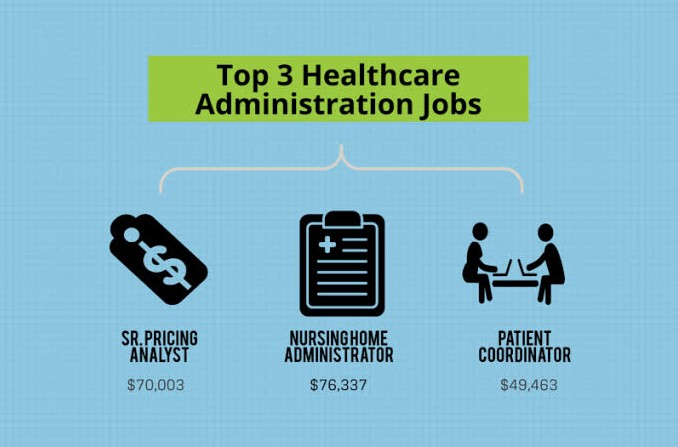
Graduates can expect to fill diverse roles, each with its unique responsibilities and challenges. Some common positions include healthcare manager, clinical manager, health services manager, and more specialized roles like practice manager or compliance officer.
Potential Career Paths
Online healthcare administration degrees equip graduates with the skills needed for multiple career paths. Here are some of the most sought-after positions in the field:
- Healthcare Manager: Responsible for overseeing the operations of healthcare facilities, ensuring that they run efficiently and provide quality care.
- Clinical Manager: Focuses on managing specific departments within healthcare facilities, such as surgery or nursing, to improve patient outcomes and staff performance.
- Health Services Manager: Works on a larger scale, managing entire healthcare systems or networks to maximize service delivery and improve patient care.
- Practice Manager: Oversees the daily operations of medical practices, ensuring compliance with regulations and managing staff.
- Healthcare Consultant: Provides expert advice to healthcare organizations on improving efficiency, processes, and patient care outcomes.
The job placement rates for graduates in healthcare administration are quite promising. According to the Bureau of Labor Statistics (BLS), employment in healthcare management is projected to grow 32% from 2019 to 2029, which is significantly faster than the average for all occupations. This growth is driven by an aging population and an increased emphasis on healthcare services, leading to a high demand for skilled professionals in the field.
Career Advancement and Salary Expectations
Career advancement in healthcare administration often correlates with experience and additional certifications. Many professionals start in entry-level roles and work their way up to managerial or executive positions, such as Chief Executive Officer (CEO) or Chief Operating Officer (COO) within healthcare organizations. Networking, further education, and specialized training can significantly enhance a graduate’s prospects.Salaries in healthcare administration vary based on position, experience, and location.
According to the BLS, the median annual wage for medical and health services managers was approximately $104,280 as of May 2020. The highest 10% in this field earned more than $189,000, showcasing the lucrative potential for those who advance in their careers. These figures highlight the strong earning potential and job security that can be expected in healthcare administration, making it an attractive career choice for graduates.
Financial Considerations
Investing in an online healthcare administration degree is a significant decision that comes with various financial implications. Understanding the average costs, available financial aid options, and effective budgeting strategies is crucial for prospective students to make informed choices.The average cost of obtaining an online healthcare administration degree varies widely based on the institution, program length, and whether the student is attending a public or private university.
On average, students can expect to pay between $15,000 to $30,000 for the entire program. Some prestigious programs may exceed this range, while others may offer more affordable options. Additionally, students should factor in costs such as textbooks, technology fees, and other educational materials when budgeting for their education.
Financial Aid Options
Exploring financial aid is an essential step for students pursuing an online healthcare administration degree. Various aid options can help offset the costs associated with higher education. Here are some common forms of financial assistance:
- Federal Financial Aid: Students may qualify for federal loans, grants, and work-study programs by filling out the Free Application for Federal Student Aid (FAFSA).
- Scholarships: Many organizations and institutions offer scholarships specifically for healthcare administration students. Prospective students should research and apply for scholarships that match their qualifications.
- Institutional Aid: Some universities provide their own financial aid packages, including grants and scholarships, to attract students to their online programs.
- Employer Tuition Assistance: Students currently employed in healthcare may inquire whether their employer offers any tuition reimbursement or assistance programs.
Budgeting for education-related expenses while studying online is crucial for managing finances effectively. Here are some practical tips to help students stay on track financially during their studies:
- Create a Detailed Budget: Artikel all income sources and anticipated expenses, including tuition, books, technology, and living costs. A clear budget helps maintain financial discipline.
- Utilize Student Discounts: Take advantage of discounts on software, textbooks, and other educational resources that many companies provide to students.
- Minimize Living Expenses: Consider options such as living with family or choosing affordable housing to reduce overall living costs.
- Plan for Unexpected Costs: Set aside a small emergency fund to cover unexpected expenses that may arise during the program.
“Taking proactive financial steps during your education can alleviate stress and allow you to focus on your studies.”
Networking and Professional Development
Networking plays a crucial role in the journey of healthcare administration students, significantly enhancing their educational experience and professional trajectory. Establishing connections with industry professionals can open doors to various opportunities, including internships, mentorships, and job placements. Such relationships can provide valuable insights into the field and help students to understand the complexities of healthcare management.
Importance of Networking for Healthcare Administration Students
Building a robust professional network is essential for healthcare administration students, as it not only allows them to learn from experienced practitioners but also helps them to stay informed about industry trends and job openings. Engaging in networking activities, such as attending conferences, webinars, and local events, can foster relationships that may prove beneficial throughout one’s career.
“Networking is not just about what you know; it’s about who you know and how you connect with them.”
Internship and Field Experience Opportunities
Many online healthcare administration programs offer tailored internship or field experience opportunities, enabling students to gain hands-on experience while still pursuing their degrees. These practical experiences are vital in applying theoretical knowledge within real-world environments. Students can benefit from:
- Partnerships with Healthcare Facilities: Many online programs collaborate with local hospitals, clinics, and health organizations to offer students real-world experience.
- Virtual Internships: Some programs provide remote internships that allow students to work on projects or assist teams from various organizations, giving them exposure to diverse healthcare settings.
- Capstone Projects: Completing a capstone project in a healthcare setting allows students to engage directly with the field while demonstrating their skills and knowledge.
Professional Organizations and Associations
Aligning with professional organizations is an excellent way for healthcare administration students to expand their network and access resources that can aid their career development. These organizations often provide educational materials, training workshops, and networking events.Some key organizations include:
- American College of Healthcare Executives (ACHE): Offers networking opportunities, educational resources, and certifications for healthcare professionals.
- Healthcare Financial Management Association (HFMA): Focuses on the financial aspects of healthcare, providing resources for those interested in financial management within healthcare settings.
- National Association of Healthcare Executives (NAHSE): Promotes diversity and inclusion in healthcare leadership and provides professional development resources.
Engaging with these organizations can enhance students’ knowledge and skills, while also fostering connections with peers and industry leaders, ultimately aiding in their professional growth and career advancement.
Student Testimonials and Success Stories
The journey through an online healthcare administration degree can be both challenging and transformative. Many students face hurdles along the way, but the success stories of graduates highlight the resilience and dedication required to excel in this field. Here, we explore the narratives of some successful graduates, the obstacles they encountered, and the positive influence their degrees have had on their careers.
Success Narratives from Graduates, Best Healthcare Administration Degrees Online
The experiences of graduates often reflect a blend of determination, strategic planning, and the ability to adapt to new challenges. Here are some inspiring accounts from individuals who have successfully navigated their healthcare administration programs:
-
“Balancing work and study was my biggest challenge, but I learned to manage my time effectively. The support from my professors was invaluable, and I graduated with honors.”
-Maria T., Healthcare AdministratorMaria faced the dual pressures of a full-time job and academic responsibilities. She utilized scheduling tools and joined study groups that helped her stay on track.
-
“The online format of my degree offered me flexibility, but it also required a high level of self-discipline. Regular check-ins with my academic advisor kept me motivated.”
-James L., Health Services ManagerJames emphasized the importance of accountability in online learning and how it helped him maintain focus on his goals.
-
“I was initially overwhelmed by the coursework, especially statistics. However, extra tutoring sessions made a significant difference, and I now use those skills daily in my job.”
-Linda R., Medical Office DirectorLinda’s story illustrates the value of seeking help and utilizing resources, which ultimately led her to become proficient in essential skills for her role.
Overcoming Common Challenges
Graduates often encounter similar challenges during their studies. Identifying these common obstacles can provide insights into how to navigate them successfully:
- The struggle to maintain work-life balance can lead to burnout among students. Proactive time management strategies, including prioritization and setting weekly goals, are critical in overcoming this challenge.
- Many students initially grapple with the technological aspects of online learning. Engaging in orientation sessions and utilizing student support services can significantly ease this transition.
- Some graduates report feeling isolated during their studies. Forming connections with peers through discussion forums and group projects helps build a sense of community and support.
Long-term Career Impact of a Healthcare Administration Degree
The long-term effects of obtaining a degree in healthcare administration can be profound, influencing career trajectories in several ways:
- Graduates often see increased job opportunities and competitive salaries in the healthcare sector. For example, a report from the Bureau of Labor Statistics indicates that healthcare administrators earn a median annual wage significantly higher than the national average.
- The degree provides essential leadership skills, preparing graduates for management roles. Many alumni transition into higher-level positions, such as Chief Operating Officer (COO) or Director of Operations, within a few years of graduation.
- Networking opportunities through alumni associations and industry conferences often lead to mentorship and further career advancement. These connections can be pivotal in navigating job markets and seizing new opportunities.
Summary
In conclusion, obtaining a degree in healthcare administration online opens doors to numerous career opportunities while providing the flexibility needed for working professionals. As the healthcare sector continues to grow, the demand for qualified administrators will only increase, making now the perfect time to invest in your education. With the right degree, you can help shape the future of healthcare and make a difference in countless lives.
Helpful Answers
What are the typical entry requirements for online healthcare administration degrees?
Most programs require a high school diploma or equivalent, and some may ask for prior college coursework or relevant work experience.
How long does it take to complete an online healthcare administration degree?
Typically, it takes about 2 to 4 years to complete a bachelor’s degree, depending on whether you study full-time or part-time.
Will I have access to student support services while studying online?
Yes, most online programs offer various support services, including academic advising, tutoring, and career counseling.
Can I transfer credits from another institution to an online healthcare administration program?
Many programs allow for transfer credits, but policies vary by institution, so it’s best to check with the specific program you’re interested in.
Are there networking opportunities in online healthcare administration programs?
Yes, online programs often facilitate networking through virtual events, internships, and connections with professional organizations.