Best Accounting Certifications for International Careers
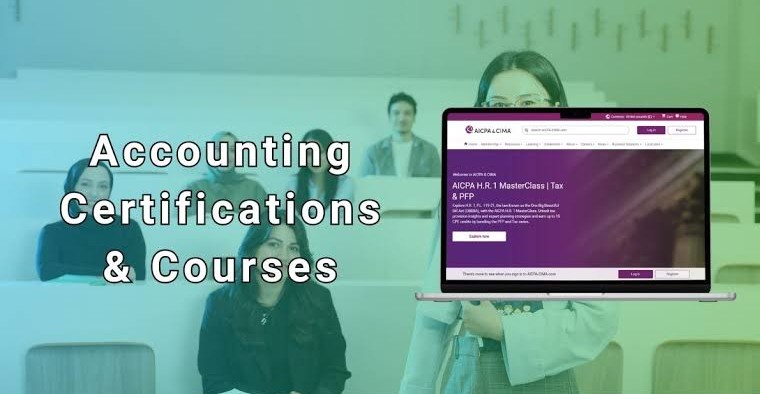
Best Accounting Certifications for International Careers open up a world of opportunities for professionals eager to advance their careers on a global scale. With the increasing interconnectedness of economies, acquiring the right certifications can significantly enhance your marketability and credibility in diverse job markets. This article delves into the various accounting certifications available globally, their benefits, and how they can pave the way for a successful international career.
From the CPA to the ACCA and CMA, understanding these certifications and their relevance in different regions is crucial. We’ll also explore effective study strategies, the importance of maintaining your credentials, and how to take advantage of networking opportunities that can further elevate your career.
Overview of Accounting Certifications
Accounting certifications are recognized credentials that validate an individual’s expertise and knowledge in the field of accounting and finance. These certifications hold significant importance in international careers as they enhance professional credibility, open up advancement opportunities, and often are prerequisites for certain roles in various countries. In a globalized economy, having a certification can distinguish professionals in a competitive job market, providing them with an edge in securing positions that require specific accounting knowledge.There are various types of accounting certifications available worldwide, catering to diverse areas of expertise and career paths.
Each certification serves a unique purpose, reflecting different skill sets and professional focuses. Some certifications are more recognized in certain regions or industries, making it crucial for professionals to choose the right one based on their career aspirations and the geographical areas they wish to work in. Below are some of the most widely recognized accounting certifications across the globe.
Types of Accounting Certifications
The landscape of accounting certifications is vast, with various options tailored to specific roles and responsibilities. These certifications not only signify a level of professionalism but also assure employers of the individual’s competency in the field. Here are some notable certifications:
- Certified Public Accountant (CPA)
-A prestigious certification in the United States, the CPA is essential for anyone looking to advance their career in accounting. It is recognized for its rigorous exam process and comprehensive coverage of accounting principles. - Chartered Accountant (CA)
-Offered by various accounting bodies in countries like the UK, Canada, and Australia, the CA designation is highly respected internationally, emphasizing professional ethics and technical skill. - Certified Management Accountant (CMA)
-This certification focuses on financial management and strategy, making it ideal for professionals aiming to work in corporate finance and management accounting. - Association of Chartered Certified Accountants (ACCA)
-ACCA is a globally recognized qualification that covers a broad range of financial and accounting topics, suitable for professionals seeking international career opportunities. - Certified Internal Auditor (CIA)
-This certification is dedicated to internal auditing and is recognized across various sectors, providing professionals with the skills needed to excel in risk management and governance.
Each of these certifications requires candidates to meet specific educational qualifications and pass a series of examinations. Achieving these certifications can significantly enhance an accountant’s career prospects by demonstrating a commitment to professional growth and adherence to industry standards.
“Accounting certifications not only validate expertise but also enhance career mobility and opportunities in a competitive global market.”
Key Benefits of Accounting Certifications for International Careers: Best Accounting Certifications For International Careers
Obtaining accounting certifications is a strategic move for professionals aspiring to enhance their careers on a global scale. These certifications not only provide essential knowledge but also open doors to a plethora of job opportunities across various countries. As the accounting field continues to globalize, certifications serve as vital credentials that can significantly impact one’s professional journey.One of the primary advantages of obtaining accounting certifications is the enhancement of professional credibility in international markets.
Certifications such as the CPA (Certified Public Accountant), ACCA (Association of Chartered Certified Accountants), and CMA (Certified Management Accountant) are globally recognized and respected. They demonstrate a commitment to maintaining high standards of professional ethics and competence, which are crucial in diverse international environments. Employers often seek out candidates with these certifications as they signify a level of expertise that can lead to better job security and trust within multinational corporations.
Impact on Salary Increases and Career Advancement
Investing in accounting certifications can have a significant positive impact on salary prospects and opportunities for advancement in one’s career. Statistics suggest that certified professionals often enjoy higher salaries compared to their non-certified counterparts. For instance, a CPA may earn an average salary that is 10-20% higher than that of an accountant without certification. This financial advantage is especially pronounced in regions with a high demand for skilled accounting professionals, such as North America, Europe, and parts of Asia.Moreover, certifications can accelerate career advancement by qualifying professionals for leadership roles and specialized positions that require advanced knowledge and skills.
Many organizations prefer to promote employees who have demonstrated their commitment to their profession through ongoing education and certification. Key factors illustrating the salary impact and career growth associated with accounting certifications include:
- Higher Starting Salaries: Certified professionals typically command higher starting salaries due to their specialized knowledge and skill sets.
- Promotions and Career Growth: Certifications often serve as a prerequisite for promotions, allowing certified individuals to move into managerial or senior roles more swiftly than those without certifications.
- Global Recognition: Certifications enhance employability across borders, enabling professionals to pursue opportunities in different countries, further increasing earning potential.
- Networking Opportunities: Certification programs often provide access to exclusive networking events and professional bodies, fostering connections that can lead to better job opportunities.
“Certifications not only validate expertise but also act as a catalyst for higher salaries and career progression in the competitive global job market.”
The impact of accounting certifications goes beyond immediate financial benefits; they also equip professionals with vital skills that are increasingly sought after in international markets, reinforcing the value of such credentials in a globalized economy.
Popular Accounting Certifications for International Professionals
As globalization continues to reshape the business landscape, accounting professionals seek certifications that hold international recognition. These certifications not only validate one’s expertise but also enhance career prospects across borders. This section highlights the most prominent accounting certifications that are respected worldwide and compares their relevance across different regions.
Top Accounting Certifications
Among the various certifications available, three stand out for their global recognition: the Certified Public Accountant (CPA), the Association of Chartered Certified Accountants (ACCA), and the Certified Management Accountant (CMA). Each of these certifications has distinct characteristics and requirements that cater to different professional objectives.
Certified Public Accountant (CPA)
The CPA is highly regarded in the United States and is respected in many countries around the world. It focuses primarily on auditing, taxation, and financial reporting.
Requirements
To obtain a CPA license, candidates typically need to have a bachelor’s degree with a specific number of accounting credits and must pass the Uniform CPA Examination. Additionally, many states require a year of professional experience under a licensed CPA.
Relevance
While the CPA is most recognized in the U.S., it is also acknowledged in countries with a strong U.S. influence, making it beneficial for professionals looking to work in multinational corporations or firms.
Association of Chartered Certified Accountants (ACCA)
The ACCA is a UK-based certification that has gained immense popularity among accounting professionals worldwide. It emphasizes financial management, taxation, and auditing, with a vast syllabus covering both theoretical and practical aspects.
Requirements
Candidates can start their ACCA journey with a minimum of a high school diploma, although a relevant degree may exempt them from some exams. The qualification involves completing a series of exams, gaining work experience, and adhering to ethical standards.
Relevance
ACCA is particularly recognized in Europe, Asia, and Africa, making it a strong choice for those seeking international opportunities, especially in organizations that operate on a global scale.
Certified Management Accountant (CMA)
The CMA is focused on financial management and strategy, making it ideal for professionals aspiring to work in management accounting and corporate finance.
Requirements
To attain the CMA, candidates must have a bachelor’s degree and pass two comprehensive exams covering financial planning, analysis, control, and decision support. Relevant work experience in management accounting is also required.
Relevance
The CMA is recognized globally, but it is especially valuable in the U.S. and Asia, aligning well with roles in corporate environments where strategic decision-making is crucial.
Regional Focus and Comparison
While these certifications are recognized internationally, their relevance can vary significantly by region due to market needs and regulatory environments.
North America
The CPA is the preferred certification, especially for public accounting roles, while the CMA is increasingly valued in corporate finance positions.
Europe
The ACCA dominates, providing a pathway for professionals across diverse accounting roles. The CPA is less common but still recognized, especially in firms that deal with U.S. clients.
Asia-Pacific
The CMA is gaining traction, particularly in countries like China and India, where management accounting is becoming more integral to business strategy. The ACCA is also popular, particularly in the banking and finance sectors.
“Choosing the right certification not only enhances your professional standing but also opens doors to international career opportunities.”
Understanding the distinct characteristics and requirements of these certifications will help accounting professionals make informed decisions about their career paths and how best to position themselves in the global job market.
Certification Exam Preparation Strategies
Preparing for accounting certification exams can be a daunting task, especially for those eyeing international careers. The right strategies can significantly enhance your study efficiency and increase your chances of success. This segment explores effective study methods, time management techniques, and a structured timeline to help you navigate your exam preparation smoothly.
Effective Study Methods and Resources
When preparing for certification exams, leveraging the right study methods and resources can make a substantial difference. It is crucial to understand your learning style and tailor your preparation accordingly. Here are some methods and resources that can aid in your study process:
- Practice Exams: Utilizing practice exams simulates the test environment and helps familiarize you with the question formats. Many online platforms provide these resources tailored to different certifications, such as Becker and Wiley.
- Study Groups: Joining or forming study groups allows for collaborative learning. Discussing complex topics with peers can enhance understanding and retention.
- Online Courses: Enrolling in online courses that focus on specific certification content can provide structured learning and expert guidance. Websites like Coursera and Udemy offer such courses.
- Flashcards: Creating flashcards for key concepts can be an effective way to reinforce memory and recall. Digital flashcard tools like Anki can help in organizing and reviewing content on-the-go.
Time Management Techniques
Balancing study time with work commitments requires effective time management techniques. Establishing priorities and creating a sustainable routine is crucial for success. Consider these strategies:
- Set a Study Schedule: Allocate specific time slots during the week dedicated solely to studying. This will help establish a rhythm and ensure consistency in your preparation.
- Break Study Sessions: Divide your study time into manageable sessions of 25-50 minutes, followed by short breaks. This technique, known as the Pomodoro Technique, helps maintain focus and reduces burnout.
- Prioritize Topics: Identify which areas require more focus based on your comfort level and exam weightage. Allocate more time to challenging subjects while maintaining a balance with easier topics.
Detailed Timeline for Exam Preparation
Creating a detailed timeline is key to a systematic study approach. Here’s a suggested timeline leading up to the test date, assuming a three-month preparation period:
| Weeks Before Exam | Activities |
|---|---|
| 12 Weeks | Start with a diagnostic test to assess your current knowledge and identify weak areas. Gather all necessary study materials and resources. |
| 10 Weeks | Begin a detailed review of foundational concepts. Focus on one subject at a time and utilize study groups for complex topics. |
| 8 Weeks | Implement practice exams into your routine. Start timing yourself to get accustomed to the exam conditions. |
| 6 Weeks | Shift focus to problem areas identified in practice exams. Utilize online resources for targeted learning. |
| 4 Weeks | Increase practice exam frequency. Analyze results to gauge improvement and adjust your study focus. |
| 2 Weeks | Consolidate your knowledge with intensive review sessions. Focus on memorization of key formulas and concepts. |
| 1 Week | Engage in light study and review. Focus on relaxation techniques to manage exam stress. |
Effective preparation is the foundation of success in accounting certification exams. Consistency, focus, and the right strategies will pave the way for achieving your certification goals.
Maintaining and Renewing Certifications
In the fast-evolving world of accounting, maintaining and renewing your certifications is crucial for career growth and credibility. This process ensures that professionals remain up-to-date with industry standards, regulations, and best practices. Here’s a detailed step-by-step guide on how to effectively manage your accounting certifications, along with insights into the importance of continuing professional education (CPE) credits.
Step-by-Step Guide for Maintaining and Renewing Certifications
To keep your accounting certifications valid, adhere to the following steps:
1. Understand Renewal Requirements
Different accounting certifications have unique requirements for renewal. Familiarize yourself with these at the start of your certification. For example, the CPA (Certified Public Accountant) typically requires 40 hours of CPE annually.
2. Track CPE Credits
Maintain a record of your CPE credits throughout the year. This may involve attending workshops, seminars, or online courses. Use a spreadsheet or accounting software to log the details of each course, including provider, duration, and topics covered.
3. Choose Quality CPE Programs
Opt for CPE programs that are relevant to your area of specialization and offered by accredited organizations. Engaging in courses that align with changes in regulations can be particularly beneficial.
4. Complete CPE Hours Before Deadline
Ensure you complete your required CPE hours well before your certification expiration date. This leaves you ample time to gather documentation and resolve any discrepancies.
5. Submit Renewal Application
Complete your certification renewal application as per the guidelines provided by the certifying body. This often includes paying a renewal fee and demonstrating your completed CPE activities.
6. Stay Informed About Changes
Regularly review any updates or changes to the renewal process provided by your certifying body. This helps in avoiding surprises as your renewal date approaches.
Importance of Continuing Professional Education (CPE) Credits
Continuing Professional Education (CPE) credits are essential for maintaining accounting certifications and ensuring that professionals stay relevant in their field. Here’s why CPE is vital:
Enhances Knowledge and Skills
CPE courses provide opportunities to learn about new developments in accounting practices, technologies, and regulations, thereby honing skills that are critical for effective job performance.
Compliance with Regulatory Standards
Many professional organizations mandate CPE to uphold the integrity of the profession. Staying compliant not only protects your certification but also enhances your reputation.
Career Advancement Opportunities
Engaging in CPE can open doors for promotions and new job opportunities, as employers often look for candidates who are committed to professional development.
“Investing in your professional education is investing in your future.”
Staying Updated with Changes in Accounting Standards and Regulations
Remaining current with changes in accounting standards and regulations is paramount for any accounting professional. Here are strategies to stay informed:
Subscribe to Professional Journals and Magazines
Regularly read publications such as the Journal of Accountancy or CPA Practice Advisor. These resources often cover the latest updates in accounting standards and regulatory changes.
Join Professional Associations
Becoming a member of organizations like the AICPA (American Institute of Certified Public Accountants) or ACCA (Association of Chartered Certified Accountants) provides access to exclusive resources, webinars, and newsletters that keep members informed.
Attend Conferences and Workshops
Participating in industry conferences is an excellent way to network and learn from experts about the latest trends and updates. Workshops often provide hands-on experience with new tools and practices.
Utilize Online Learning Platforms
Websites like Coursera or LinkedIn Learning offer courses that cover emerging trends and changes in accounting standards. These platforms provide flexibility in learning at your own pace.By proactively maintaining your certifications and staying updated with industry changes, you strengthen your professional standing and enhance your career prospects in the global accounting landscape.
International Networking and Professional Organizations
Building a robust professional network is essential for accountants looking to establish or advance their careers on an international level. Engaging with international accounting organizations can provide numerous opportunities for networking, skill enhancement, and career growth. These organizations not only offer resources but also connect professionals from around the world, fostering a global community of accountants.Key international accounting organizations play a crucial role in offering networking opportunities.
They serve as platforms where professionals can connect, share knowledge, and stay updated with industry trends. Here are some prominent organizations that can significantly enhance international networking for accountants:
Prominent International Accounting Organizations, Best Accounting Certifications for International Careers
The following organizations provide excellent opportunities for networking and professional development in the accounting field:
- International Federation of Accountants (IFAC): A global organization that supports the accountancy profession worldwide, facilitating collaboration among national accountancy organizations.
- Association of Chartered Certified Accountants (ACCA): Offers a network of professionals and resources that enhance career prospects through various global initiatives.
- American Institute of CPAs (AICPA): Known for its extensive resources and events, the AICPA provides networking opportunities through various international programs and conferences.
- Chartered Institute of Management Accountants (CIMA): Focused on management accounting, CIMA connects professionals globally and promotes networking through events and online forums.
Leveraging professional associations for career growth is essential for accountants aiming for international careers. By engaging with these associations, accountants can gain access to a plethora of resources, including training, mentorship, and job opportunities. Here are some strategies to effectively utilize these associations:
Strategies for Leveraging Professional Associations
Effective engagement with professional associations can accelerate career growth and open doors to international opportunities. Consider the following strategies:
- Active Participation: Join committees, forums, and special interest groups within the organization to actively participate in discussions and initiatives.
- Networking Events: Attend networking events and workshops organized by these associations to meet industry leaders and peers.
- Utilize Resources: Take advantage of the resources offered, such as webinars, publications, and career services, to enhance your skills and knowledge.
- Mentorship Opportunities: Seek out mentorship programs that connect less experienced accountants with seasoned professionals for guidance and support.
Attending international conferences and workshops is an invaluable way to enhance your professional network and stay abreast of the latest developments in the accounting field. These events provide unique opportunities for both learning and networking, allowing participants to engage with global experts and peers.
Benefits of Attending International Conferences and Workshops
Participating in international conferences and workshops can yield several benefits that contribute to an accountant’s professional development and networking capabilities:
- Knowledge Expansion: Gain insights into the latest accounting standards, technologies, and best practices from industry leaders and experts.
- Networking Opportunities: Establish connections with professionals from different countries, fostering relationships that can lead to collaborations and career advancements.
- Exposure to Diverse Perspectives: Learn about varying approaches to accounting from different cultures, enhancing your adaptability and global understanding.
- Career Advancement: Many employers value participation in international events, as it demonstrates commitment to professional growth and engagement in the global accounting community.
Engaging with international accounting organizations and attending global events are pivotal steps towards building a successful international accounting career.
Job Market Trends for Accountants with Certifications
The landscape of accounting is evolving, especially for professionals with internationally recognized certifications. As globalization continues to shape industries, the demand for certified accountants is experiencing notable shifts. This section delves into the current trends influencing the job market for accountants with certifications, highlighting the increasing importance of specialized credentials across various sectors.The demand for accountants with certifications is on the rise, driven by businesses seeking professionals who can navigate complex financial regulations and contribute to strategic decision-making.
Certified accountants not only bring technical expertise but also enhance the credibility of organizations. Industries such as finance, technology, and healthcare are particularly in need of certified accountants who can adapt to regulatory changes and provide valuable insights.
Current Demand for Certifications in Various Industries and Regions
The relevance of specific accounting certifications varies across industries and geographic locations. Understanding these trends is crucial for aspiring accountants who wish to align their qualifications with market needs.In recent years, certain certifications have gained significant traction:
- Certified Public Accountant (CPA)
-Predominantly valued in the United States and Canada, the CPA designation is often a prerequisite for high-level accounting roles. - Chartered Accountant (CA)
-Highly regarded in Commonwealth countries, this certification is critical for accountants aiming to work in international firms. - Certified Management Accountant (CMA)
-This certification is increasingly sought after in management accounting roles, particularly within corporate environments. - Chartered Global Management Accountant (CGMA)
-Recognized internationally, the CGMA designation is gaining popularity among accountants looking to work globally.
The geographic demand for these certifications also varies. For example, the CPA is essential in North America, while the CA is often favored in regions like India, Australia, and the UK. Additionally, emerging markets in Southeast Asia and Africa are witnessing a surge in demand for accountants with global certifications as they integrate into the global economy.
“The value of certifications lies in their ability to open doors to international opportunities and enhance professional credibility.”
Looking ahead, the job prospects for certified accountants appear promising. With technological advancements, such as automation and artificial intelligence, the role of accountants is evolving. Certified professionals who embrace these changes and continue to develop their skills will be well-positioned to thrive in the future job market. Real-life cases, such as the increased hiring of CPAs in tech startups, underscore the growing importance of accountants who can contribute to strategic planning and data analysis.As businesses increasingly rely on data-driven decisions, accountants with certifications will play a pivotal role in interpreting financial information and advising on best practices.
The future is bright for those equipped with the right qualifications and adaptability to meet the industry’s changing demands.
Final Thoughts
In conclusion, pursuing the Best Accounting Certifications for International Careers not only boosts your professional profile but also equips you with essential skills and knowledge that are in high demand across the globe. Whether you’re just starting or looking to advance in your career, these certifications can be your ticket to new opportunities and a fulfilling career in the international accounting landscape.
Stay informed, keep learning, and embrace the challenges ahead!
Helpful Answers
What are the most recognized accounting certifications worldwide?
The most recognized accounting certifications include CPA (Certified Public Accountant), ACCA (Association of Chartered Certified Accountants), and CMA (Certified Management Accountant).
How do I choose the right certification for my career?
Choosing the right certification depends on your career goals, the specific industry you wish to enter, and the regions you are targeting for work.
What is required to maintain my accounting certification?
Maintaining your certification typically requires continuing professional education (CPE) credits, which involve participating in various educational activities related to your field.
Are there online resources available for certification exam preparation?
Yes, many online platforms offer comprehensive resources, including practice exams, study guides, and video tutorials tailored for specific accounting certifications.
How can networking help in my international accounting career?
Networking can provide valuable connections, mentorship opportunities, and insights into job openings and industry trends, greatly enhancing your career prospects internationally.