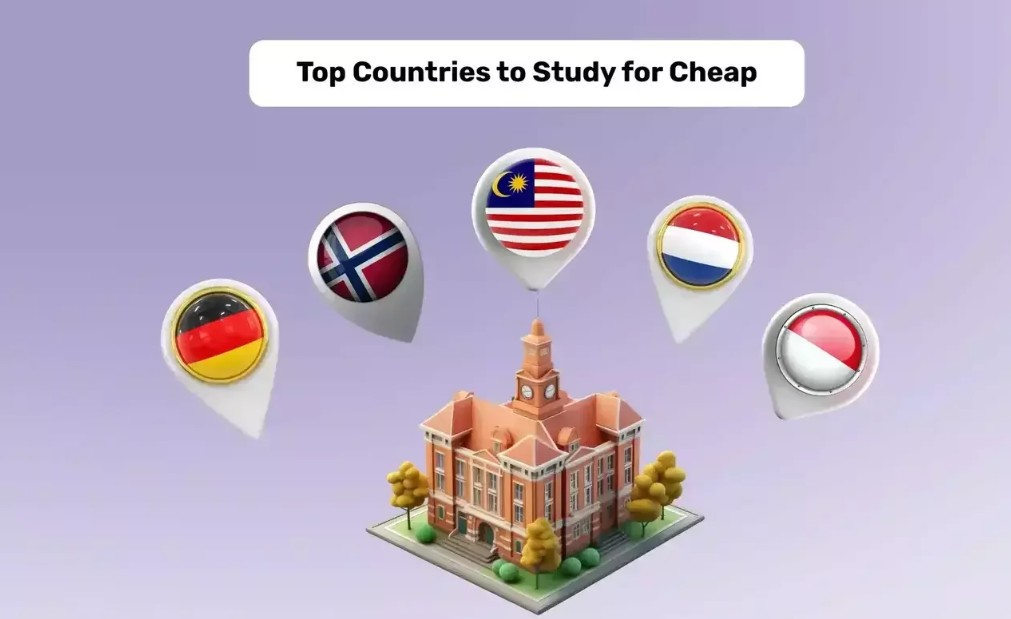
Best Countries to Study Abroad on a Budget Overview
Best Countries to Study Abroad on a Budget offers a gateway to affordable education while immersing oneself in diverse cultures. With rising tuition fees and living costs, many students are seeking budget-friendly destinations that don’t compromise on quality. This exploration delves into the top countries recognized for their economical education systems, low living expenses, and enriching cultural experiences, making studying abroad not just a dream, but an attainable reality.
From captivating student testimonials to practical budgeting tips, this guide provides a comprehensive look into how to navigate the world of affordable study abroad options, ensuring that students can maximize their experiences without breaking the bank.
Overview of Budget-Friendly Study Abroad Destinations
Studying abroad can be a life-changing experience, offering academic growth and cultural enrichment. However, the cost of tuition and living expenses can often deter students from pursuing their dreams overseas. Fortunately, many countries provide excellent educational opportunities at a fraction of the cost compared to more expensive destinations. This overview highlights some of the best budget-friendly countries for studying abroad, focusing on their affordability and the unique cultural experiences they offer.Many factors contribute to a country’s overall affordability, including low tuition fees and reasonable living costs.
Choosing a budget-friendly destination not only saves money but also allows students to immerse themselves in diverse cultures. Below is a list of some of the top countries known for their affordable education, along with insight into why they are attractive options for international students.
Top Budget-Friendly Countries for Education
The following countries are recognized for their educational quality combined with affordability. Each offers unique cultural experiences that enhance the learning environment.
- Germany: Known for its high-quality education and tuition-free programs at public universities, Germany is a popular choice. Living costs in cities like Berlin are manageable, and the country boasts a rich cultural heritage with numerous museums and historical landmarks.
- Norway: Although the living expenses are relatively high, public universities do not charge tuition fees for international students. Norway’s stunning landscapes and commitment to sustainability provide a unique backdrop for academic pursuits.
- Mexico: With affordable tuition fees and a lower cost of living, Mexico offers a vibrant cultural experience. Students can explore diverse local traditions, cuisine, and historical sites while studying in reputable universities.
- Spain: Spain offers a rich culture and history, with many universities providing affordable tuition. The cost of living is reasonable in many cities, especially outside of major tourist hubs. Moreover, students can enjoy the warmth of the Mediterranean lifestyle.
- India: India is known for its diverse education system with low tuition fees across various disciplines. The cultural experience is unparalleled, with an opportunity to interact with a vast array of traditions, languages, and cuisines.
- Portugal: Portugal boasts low tuition fees and an affordable cost of living. Students can benefit from its friendly atmosphere, beautiful landscapes, and rich literary history while studying at prestigious universities.
Each of these countries not only provides educational affordability but also fosters an environment rich in cultural experiences. Students studying in these locations can engage with local communities, learn new languages, and participate in traditions that enhance their global perspective. Choosing one of these budget-friendly destinations can lead to an enriching and memorable study abroad experience.
Cost Comparison of Popular Study Abroad Countries
Studying abroad can be an exciting yet daunting experience, especially when it comes to budgeting. Understanding the costs associated with tuition fees and living expenses in different countries can help international students make informed decisions. This section provides a comprehensive comparison of these costs, alongside scholarship opportunities that can further ease financial burdens.The cost of studying abroad varies significantly from one country to another, influenced by factors such as the cost of living, educational quality, and available financial aid.
Below is a detailed breakdown of average tuition fees and living expenses for popular study abroad destinations.
Average Tuition Fees for International Students
The following table Artikels the average tuition fees for international students across various countries, showcasing the differences in educational expenses.
| Country | Average Tuition Fee (Annual) |
|---|---|
| Germany | €1,500 |
| France | €3,500 |
| United States | $30,000 |
| Australia | AUD 29,000 |
| Canada | CAD 29,000 |
| Netherlands | €6,000 |
Living Expenses Comparison
Living expenses can greatly impact a student’s budget while studying abroad. The following Artikels typical monthly costs for accommodation, food, and transportation in various countries:
| Country | Accommodation | Food | Transportation |
|---|---|---|---|
| Germany | €300 | €200 | €90 |
| France | €400 | €250 | €75 |
| United States | $1,200 | $300 | $100 |
| Australia | AUD 1,000 | AUD 400 | AUD 120 |
| Canada | CAD 800 | CAD 250 | CAD 90 |
| Netherlands | €400 | €250 | €85 |
Scholarship Opportunities
Many countries provide various scholarship programs for international students, making studying abroad more affordable. Here are some notable scholarship opportunities available in each country:
- Germany: The DAAD (German Academic Exchange Service) offers a wide range of scholarships for international students based on academic merit.
- France: The Eiffel Excellence Scholarship Program is designed to attract top international students to French universities.
- United States: Fulbright Scholarships provide funding for students from various countries to study in the U.S.
- Australia: The Australia Awards scholarships help students from developing countries overcome financial barriers.
- Canada: The Vanier Canada Graduate Scholarships support exceptional doctoral students.
- Netherlands: The Orange Tulip Scholarship Program offers scholarships to students from specific countries to study in the Netherlands.
“Scholarships are a vital resource that can significantly reduce the financial burden of studying abroad.”
This detailed cost comparison highlights the financial aspects students need to consider when planning their study abroad experience. By understanding tuition fees, living expenses, and available scholarships, students can make choices that align with their budgets and educational goals.
Student Experiences and Testimonials
Studying abroad on a budget can be a transformative experience, filled with unique challenges and rewarding moments. Many students have navigated this journey, sharing their testimonials that highlight not only the financial aspects but also the personal growth and cultural immersion they encountered. Here, we delve into their stories to capture the essence of what it means to study abroad without breaking the bank.One of the key aspects of studying abroad on a budget is the challenges faced by students.
These obstacles often include financial constraints, language barriers, and adjusting to new cultural environments. However, many students have successfully overcome these hurdles, leading to profound experiences that contributed to their personal development.
Challenges Faced by Students and Solutions
Navigating the complexities of studying abroad can be daunting, but students often find innovative solutions to their challenges. Here are some common issues faced along with how students tackled them:
- Financial Management: Many students reported struggling with budgeting for living expenses, tuition, and travel. To manage costs, students often took advantage of local discounts, used public transportation, and cooked meals at home instead of dining out.
- Language Barriers: Communicating in a foreign language can be intimidating. Students overcame this by enrolling in language exchange programs, practicing with local friends, and using language learning apps to enhance their skills.
- Cultural Adjustment: Adapting to a new culture can lead to feelings of homesickness. Students found comfort through joining clubs or organizations that connected them with others from similar backgrounds, creating a support network during their stay.
“Every challenge I faced was a stepping stone towards becoming more independent and self-reliant.”
Emily, a student who studied in Spain.
Personal Growth and Cultural Immersion Experiences
The experience of studying abroad on a budget often leads to significant personal growth and cultural immersion. Students have reported transformative experiences that shaped their perspectives and understanding of the world around them.
- Independence: Many students emphasized how managing their own finances and making decisions in unfamiliar settings boosted their confidence and independence.
- Enhanced Worldview: Exposure to diverse cultures allowed students to appreciate different lifestyles and customs, fostering a more global perspective. This aspect was highlighted by several students who participated in local community events and cultural festivals.
- Friendships Across Borders: Building friendships with locals and other international students enriched their experience. These connections often led to lasting relationships that extended beyond their study duration.
“My time abroad taught me to embrace uncertainty and see the beauty in every experience.”
Raj, who studied in Brazil.
Overall, the testimonials from students demonstrate that studying abroad on a budget is not just about academic learning but is also a profound journey of self-discovery and cultural exchange. Each story reflects resilience, adaptability, and the joy of navigating new environments, making studying abroad a worthwhile endeavor.
Tips for Studying Abroad Affordably
Studying abroad can open doors to enriching experiences, but navigating the financial landscape can be daunting. Fortunately, there are effective strategies and practical tips that international students can adopt to minimize expenses while maximizing their educational journey. This section will explore various methods to keep costs down, manage budgets wisely, and find part-time work opportunities that fit within your academic schedule.
Cost Reduction Strategies
To study abroad affordably, it’s crucial to be mindful of your spending habits and explore ways to cut costs. The following list Artikels practical tips that can help students save money while enjoying their time abroad:
- Choose Affordable Destinations: Research countries where tuition fees and living costs are lower. Countries like Germany, Finland, and Mexico are known for offering quality education at a fraction of the price compared to the U.S. or U.K.
- Utilize Student Discounts: Always carry your student ID. Many local businesses, restaurants, and transportation services offer discounts specifically for students.
- Cook Your Meals: Eating out can quickly drain your budget. Try to prepare your own meals using local ingredients, as this will not only save money but also allow you to experience local cuisine.
- Use Public Transportation: Familiarize yourself with the public transport system in your host country. Buses and trains are often cheaper than taxis or rideshares.
- Purchase Second-hand Textbooks: Textbooks can be a major expense. Look for second-hand books online, in local bookstores, or at student exchanges.
Budgeting Strategies for International Students
Creating a budget is essential to managing your finances effectively while studying abroad. Here are some budgeting strategies that can help international students maintain control over their spending:
- Create a Monthly Budget: Start by listing all your expected income from scholarships, part-time jobs, and allowances. Then, itemize your expenses, including rent, utilities, groceries, and entertainment. Make adjustments as necessary to avoid overspending.
- Track Your Expenses: Use budgeting apps or spreadsheets to keep track of your daily spending. This will help identify where you can cut back and save more.
- Set Up an Emergency Fund: Aim to save a small amount every month to build an emergency fund. This can help cover unexpected expenses without derailing your budget.
- Limit Entertainment Expenses: While it’s important to enjoy your time abroad, look for free or low-cost activities in your area, such as community events, free museum days, or student nights out.
Part-time Work Opportunities
Many countries allow international students to work part-time during their studies, which can significantly alleviate financial pressure. Here are common part-time work opportunities that students can explore:
- On-Campus Employment: Many universities offer on-campus jobs such as library assistants, research positions, or administrative roles. These jobs typically have flexible hours that accommodate your study schedule.
- Hospitality and Retail Jobs: Part-time positions in cafes, restaurants, and retail stores are abundant in most cities. These jobs often welcome flexible hours and can provide a steady income.
- Tutoring or Teaching English: If you’re proficient in English, tutoring local students or teaching English as a second language can be a rewarding way to earn money while helping others.
- Freelancing: If you have a skill such as graphic design, writing, or programming, consider freelancing online. There are numerous platforms where you can find freelance gigs tailored to your expertise.
Government and Institutional Support for International Students
Studying abroad can be a transformative experience, but the financial burden can be daunting. Thankfully, many governments and institutions are aware of this challenge and have established various programs to support international students. Understanding these resources can be vital for students looking to study abroad on a budget.Government programs play a significant role in providing financial aid to international students.
Many countries have specific initiatives aimed at attracting foreign learners, offering scholarships, grants, and financial assistance to help cover tuition fees and living expenses. These programs often reflect the country’s commitment to fostering a multicultural educational environment and enhancing global collaboration.
Government Programs for Financial Aid
Several governments around the world provide financial support specifically aimed at international students. Below are notable examples of such programs:
- Australia’s Endeavour Leadership Program: This provides financial assistance for international students to undertake studies or research in Australia, covering tuition and living expenses.
- Canada’s Vanier Canada Graduate Scholarships: Aimed at attracting international doctoral students, these scholarships offer substantial funding for studies in Canada.
- Germany’s DAAD Scholarships: The German Academic Exchange Service offers numerous scholarships for international students studying at German universities.
- New Zealand’s Government Scholarships: These scholarships cover tuition fees and living costs for students from selected countries to study in New Zealand.
Institutions Offering Financial Support
Many universities and colleges around the world also provide specific scholarships and financial aid for international students. These offerings can significantly ease the financial load. Here are some notable institutions known for their generous support:
- University of Oxford: Offers various scholarships for international students, including the Rhodes Scholarship.
- Harvard University: Provides financial aid packages that cover 100% of demonstrated need for admitted international students.
- University of Melbourne: Offers a range of scholarships for international students, including the Melbourne International Undergraduate Scholarship.
- University of Toronto: Has several scholarships available for international students, including the Lester B. Pearson International Scholarship.
Accessing Financial Resources Effectively
To make the most of the available financial support, students should adopt a strategic approach. Here are essential steps to access these resources effectively:
- Research Early: Start investigating available scholarships and financial aid options well before the application deadlines. Many programs have specific requirements and timelines.
- Prepare Documentation: Ensure that all necessary documents, such as transcripts, letters of recommendation, and personal statements, are prepared ahead of time.
- Stay Organized: Keep track of deadlines, required documents, and application procedures for each scholarship or aid program you plan to apply for.
- Utilize University Resources: Most universities have dedicated offices for international students and scholarships, providing valuable information and assistance throughout the application process.
“Financial support can transform the potential of studying abroad into a realistic opportunity for many students.”
Cultural Exchanges and Community Involvement
Engaging with local communities while studying abroad enriches the educational experience, offering students the opportunity to immerse themselves in different cultures. These interactions not only foster cross-cultural understanding but also help students build valuable connections, enhancing their global perspective. When students actively participate in community initiatives, they often find budget-friendly living options while gaining unique insights into the local culture.Cultural exchange programs play a vital role in promoting affordable living while studying abroad.
These programs typically include volunteer opportunities, language exchanges, and cultural festivals that encourage international students to connect with locals. By participating in these initiatives, students can enjoy cost-effective experiences while contributing positively to their host communities. Below are some noteworthy cultural exchange programs that exemplify this concept:
Cultural Exchange Programs
There are several programs designed to facilitate cultural exchanges and encourage community involvement. Here are a few examples:
- Workaway: This platform connects travelers with hosts who offer free accommodation in exchange for a few hours of work each day. Students can engage in various projects such as farming, teaching, or hospitality, while immersing themselves in the local culture.
- Volunteers for Peace: This organization organizes international volunteer programs that promote community service and cultural exchange. Students can participate in projects ranging from environmental conservation to social development.
- Global Volunteers: This program allows students to join service projects in various countries. Participants contribute to meaningful community work, such as teaching English or assisting with local health initiatives.
Participating in community service or local events can lead to memorable experiences for students studying abroad. Many students report that involvement in local festivals, markets, or volunteer projects significantly enhanced their educational journey. For instance, a student studying in Spain shared how volunteering at a local food bank not only helped her improve her Spanish but also formed lasting friendships with locals.
Another student from Canada recounted his experience in Thailand, where he participated in a cultural festival. He felt welcomed by the community and learned traditional dance, which deepened his appreciation for Thai culture. These stories highlight the profound impact that cultural exchanges and community involvement can have on students, making their time abroad not just an educational endeavor but a life-changing experience.
Navigating Visa and Immigration Policies: Best Countries To Study Abroad On A Budget
Understanding the visa and immigration policies is crucial for students planning to study abroad on a budget. Each country has specific requirements that must be met to obtain a student visa, and this can vary significantly from one nation to another. It’s essential to familiarize yourself with these policies early on to avoid any last-minute complications and ensure a smooth transition to your new academic environment.Visa requirements for international students often include proof of enrollment in a recognized institution, financial stability, and adherence to health insurance regulations.
In budget-friendly countries, the application process may be streamlined to attract international students, but it still requires careful attention to detail. Being well-prepared not only facilitates the application process but also strengthens your visa application by demonstrating your commitment to studying in the chosen country.
Visa Requirements for Budget-Friendly Countries
Various countries with affordable education options have distinct visa requirements tailored to their educational policies. Below are some common requirements that aspiring students should prepare for:
- Valid passport with at least six months of validity beyond the intended stay.
- Acceptance letter from a recognized educational institution.
- Proof of financial stability, such as bank statements or sponsorship letters.
- Health insurance coverage for the duration of stay in the host country.
- Completed visa application form and payment receipt for the visa fee.
In many cases, students may also be required to submit academic transcripts and standardized test scores. Keeping these documents organized helps streamline the application process and ensures compliance with visa regulations.
Financial Documents for Visa Applications, Best Countries to Study Abroad on a Budget
Financial documentation is a critical component of the visa application process for student visas in budget-friendly countries. These documents serve as evidence of the student’s ability to support themselves during their studies without reliance on local employment.
- Bank statements showing sufficient funds to cover tuition and living expenses.
- Proof of scholarship or education grants, if applicable.
- Statements from sponsors or guardians confirming their financial support.
Providing clear and organized financial documents increases the likelihood of a successful visa application. Each country’s immigration authority may have unique preferences regarding documentation, so it’s important to check the specific requirements for your chosen destination.
Visa Application Checklist
Preparing for a visa application can be overwhelming, but having a checklist can simplify the process and ensure that nothing is overlooked. Below is a checklist tailored for students preparing for their visa applications related to budget studies:
- Check eligibility for the student visa based on the chosen country’s requirements.
- Gather necessary personal documents including passport and photographs.
- Obtain the acceptance letter from the educational institution.
- Compile financial documents to demonstrate funding capability.
- Complete the visa application form accurately.
- Schedule and attend any required visa interviews.
- Pay the visa application fee and keep the receipt.
- Ensure health insurance is in place and meets the host country’s requirements.
- Review and submit your application well ahead of the intended start date.
Following this checklist not only helps streamline the visa application process but also reduces the chances of encountering unexpected delays or issues. Efficient preparation is key to a successful study abroad experience on a budget.
Resources for Budget-Friendly Study Abroad Planning
When it comes to studying abroad on a budget, having the right resources can make a world of difference. From finding affordable programs to connecting with other students, there are numerous tools online that can help streamline the planning process and save money. Here are some of the best resources to consider when embarking on your study abroad adventure.
Useful Websites and Resources
There are several outstanding websites and platforms that cater specifically to students looking to study abroad without breaking the bank. These resources offer everything from program listings to financial advice.
- GoAbroad.com: A comprehensive platform that provides information on study abroad programs, scholarships, and reviews from past students.
- Budget Travel: Offers tips and guides for economical travel options, including budget airlines and accommodations.
- ScholarshipPortal: This site allows students to search for scholarships specifically tailored for their study abroad destinations.
- StudyAbroad.com: Features a wide range of programs and an extensive database of student reviews to help you make informed decisions.
- International Student: A resource hub that provides visa information, budgeting tips, and community support for international students.
Budget Travel Options and Accommodation Methods
Finding budget-friendly travel and accommodation options can significantly reduce the overall cost of studying abroad. Exploring these options will help you make the most of your experience without overspending.
- Hostels: These shared accommodations are often much cheaper than hotels and provide opportunities to meet other travelers.
- Airbnb: Renting rooms or apartments can often be less expensive than traditional hotels, especially for longer stays.
- Public Transportation: Utilizing local buses and trains instead of taxis can save a considerable amount of money while also providing a more authentic travel experience.
- Budget Airlines: Use websites like Skyscanner or Kayak to find low-cost flight options to your destination and nearby cities.
- Travel Packages: Some companies offer flight and accommodation packages that can be more affordable than booking separately.
Online Forums and Communities
Engaging with others who have studied abroad can provide invaluable insights and advice. Online communities serve as platforms for sharing experiences, tips, and resources.
- Reddit: Subreddits like r/studyabroad offer discussions, questions, and shared experiences from fellow students.
- Facebook Groups: Look for groups dedicated to study abroad programs, where members share advice, resources, and personal experiences.
- Meetup: This platform can help you find local events related to study abroad, connecting you with people who have similar interests.
- Internationale Studenten: This forum is specifically geared towards international students, providing a space for discussion and support.
- Student Universe: A community where students can find travel discounts and share their study abroad journeys.
“Having a solid support system and reliable resources can turn a challenging study abroad experience into a memorable journey.”
Last Recap
In summary, finding the Best Countries to Study Abroad on a Budget allows students to not only further their education but also to enrich their lives through cultural exchanges and community involvement. With the right resources, support, and strategies, anyone can embark on this exciting journey without financial strain. As you plan your study abroad adventure, remember to explore these affordable options and take advantage of the opportunities available to make your experience memorable and enriching.
Answers to Common Questions
What are the most affordable countries for international students?
Countries like Germany, Mexico, and India are renowned for their low tuition fees and living costs.
Are there scholarships available for studying abroad on a budget?
Yes, many countries offer scholarships specifically for international students, which can significantly reduce costs.
How can I find part-time work while studying abroad?
Check with your university’s career center or local job boards for part-time job opportunities suitable for students.
What should I consider when budgeting for studying abroad?
Consider tuition, accommodation, food, transportation, and personal expenses to create a realistic budget.
Can I apply for financial aid while studying abroad?
Many institutions offer financial aid options for study abroad programs, so it’s best to inquire directly with your school.