AWS Certification Path for High Paying Cloud Jobs
AWS Certification Path for High Paying Cloud Jobs offers a roadmap for those eager to thrive in the booming cloud computing sector. With the rapid growth of cloud technologies, AWS certifications have emerged as a pivotal asset for job seekers looking to enhance their qualifications and secure lucrative positions. As industries increasingly adopt cloud solutions, understanding the various AWS certifications and how they align with high-paying job roles is essential for career advancement.
This comprehensive guide will take you through the significance of AWS certifications, the structured pathway to achieving them, and the high-paying job roles they open up. Whether you’re a beginner or looking to elevate your existing skills, this journey through the AWS certification landscape is designed to empower you with the knowledge and resources needed to succeed.
Understanding AWS Certifications
In today’s rapidly evolving technology landscape, AWS certifications have become a cornerstone for professionals aspiring to enter or advance in the cloud computing job market. These certifications validate an individual’s expertise and knowledge in utilizing Amazon Web Services (AWS), which is the leading cloud platform globally. Holding an AWS certification can significantly enhance career opportunities and earning potential in a competitive environment.AWS offers a broad range of certifications that cater to varying skill levels and professional roles.
The certifications are categorized into foundational, associate, professional, and specialty, ensuring that there is something for everyone, from new entrants to seasoned professionals.
Types of AWS Certifications
The various AWS certifications are designed to meet the needs of different professionals, whether they are developers, system administrators, architects, or data scientists. Here is a breakdown of the certification categories and their intended audiences:
- Foundational:
This level is ideal for individuals new to the cloud. The AWS Certified Cloud Practitioner certification provides a basic understanding of AWS services and cloud concepts, making it suitable for anyone entering the cloud field or seeking to understand AWS better. - Associate Level:
Geared towards those with some experience in AWS, the associate-level certifications include the AWS Certified Solutions Architect – Associate and AWS Certified Developer – Associate. These certifications focus on deploying and managing applications and infrastructures on AWS. - Professional Level:
Aimed at advanced practitioners, the professional certifications, such as the AWS Certified Solutions Architect – Professional, require deeper knowledge and experience in designing complex solutions. These certifications are fitting for seasoned cloud architects and senior developers who lead AWS projects. - Specialty Certifications:
These certifications address niche areas such as machine learning, big data, and security. The AWS Certified Security – Specialty is perfect for professionals specifically focused on cloud security, providing advanced knowledge in securing AWS environments.
The cloud landscape is continuously transforming, with new services and features added regularly. This dynamic nature necessitates ongoing education and re-certification to maintain up-to-date knowledge and skills. As companies adopt new technologies and practices, the demand for professionals with current AWS certifications remains high.
Staying certified ensures that professionals can adapt to changes in the cloud ecosystem, enhancing their value in the job market.
The AWS Certification Pathway
Embarking on the AWS certification pathway is an exciting journey that can significantly enhance your career prospects in cloud computing. This structured approach is designed to guide beginners from foundational knowledge to advanced expertise in AWS services, enabling them to secure high-paying cloud jobs.The AWS certification pathway consists of several levels, each targeting different skill sets and knowledge areas. As you progress through these certifications, it’s crucial to understand the prerequisites and study materials that will bolster your learning.
Here’s a comprehensive breakdown of the certification levels, along with their requirements and recommended resources.
Foundational Level Certification
The AWS Certified Cloud Practitioner certification serves as an entry point for individuals seeking to validate their overall understanding of AWS Cloud. It’s ideal for those who have basic knowledge of AWS services and cloud concepts.Prerequisites for this certification are minimal; however, having a general understanding of IT concepts and cloud computing principles is advantageous. To prepare effectively, consider the following resources:
- AWS Cloud Practitioner Essentials (Second Edition)
-An online training course offered by AWS that covers the core services and concepts of AWS. - AWS Certified Cloud Practitioner Exam Readiness – A free training resource providing an overview of the exam structure and key areas to focus on.
- AWS Whitepapers – Access foundational whitepapers published by AWS, such as the Overview of AWS and the AWS Well-Architected Framework.
Associate Level Certifications
At the associate level, there are three primary certifications: AWS Certified Solutions Architect – Associate, AWS Certified Developer – Associate, and AWS Certified SysOps Administrator – Associate. Each certification targets specific roles and responsibilities in cloud environments.The prerequisites vary slightly based on the certification track, with foundational knowledge of AWS services and 1-2 years of hands-on experience in the field being highly recommended.
Below are suggested study resources for each certification:
AWS Certified Solutions Architect – Associate
- AWS Solutions Architect Learning Path – AWS provides a structured learning path that includes online courses and hands-on labs.
- A Cloud Guru or Linux Academy – Online platforms offering in-depth courses and practice exams specifically for this certification.
- AWS Solutions Architect Exam Readiness – A detailed training course that focuses on the skills needed to design distributed systems on AWS.
AWS Certified Developer – Associate
- AWS Developer Learning Path – Follow the tailored learning modules on AWS that cover the essential skills for AWS developers.
- Practice Tests from Whizlabs – Use these practice tests to familiarize yourself with the exam format and types of questions.
- AWS Developer Documentation – Explore the official documentation to understand the services and tools available for developers.
AWS Certified SysOps Administrator – Associate
- SysOps Administrator Learning Path – AWS provides content specifically designed for SysOps Administrators to develop operational skills.
- Hands-on Labs – Participate in AWS’s hands-on labs to gain practical experience in deploying and managing applications on AWS.
- AWS Certified SysOps Administrator Exam Readiness – An official training course designed to prepare candidates for the exam.
Professional Level Certifications
Professional level certifications include AWS Certified Solutions Architect – Professional and AWS Certified DevOps Engineer – Professional. These certifications require extensive knowledge and experience in AWS services and architecture design.Candidates should have at least two years of hands-on experience in AWS solutions at an associate level before attempting these certifications. Resources for preparation include:
- Advanced Architecting on AWS – A comprehensive course that delves deeper into architectural best practices.
- AWS Certified Solutions Architect – Professional Exam Readiness – An official AWS course that prepares candidates for the exam challenges.
- Real-World Projects – Engage in complex projects that simulate professional scenarios to enhance your understanding.
Specialty Certifications, AWS Certification Path for High Paying Cloud Jobs
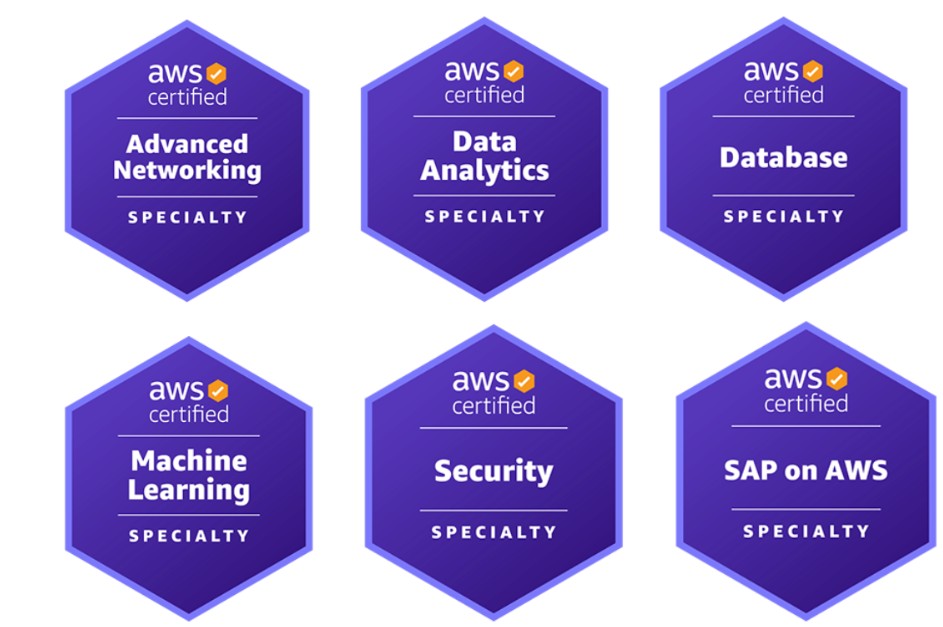
Lastly, AWS offers specialty certifications that allow candidates to focus on niche areas such as Security, Machine Learning, Data Analytics, and Advanced Networking. Each specialty certification has unique prerequisites in terms of knowledge and experience.Candidates interested in specialty certifications should have a solid foundation in AWS and relevant experience in their chosen specialty field. Recommended resources include:
- AWS Specialty Learning Paths – Tailored learning experiences that cover in-depth knowledge required for specialty exams.
- Hands-on Labs – Participate in specialized labs that align with the certification focus area to gain practical skills.
- Relevant AWS Whitepapers – Study specialized whitepapers that provide insights into best practices and architectural guidance for each specialty.
“Successful navigation of the AWS certification pathway not only validates your skills but also opens doors to lucrative opportunities in the rapidly evolving cloud landscape.”
High Paying Cloud Job Roles
The cloud computing industry is booming, and with it comes a surge in demand for skilled professionals with AWS certifications. These roles not only promise exciting challenges but also come with high salary potential. Companies across various sectors are seeking to leverage cloud technologies, and certified individuals are uniquely positioned to meet these needs. Below, we explore some of the top-paying job roles associated with AWS certifications.
AWS Solutions Architect
AWS Solutions Architects are responsible for designing and implementing cloud solutions that cater to business needs. They work closely with clients to understand their requirements and translate them into scalable architectures. Key skills include proficiency in AWS services, cloud architecture design, and a strong understanding of networking and security protocols. According to industry reports, the salary range for AWS Solutions Architects typically falls between $120,000 and $200,000 annually, depending on experience and location.
AWS DevOps Engineer
DevOps Engineers focus on streamlining software development and deployment processes through automation and collaboration. Their responsibilities include managing CI/CD pipelines, monitoring system performance, and optimizing cloud infrastructure. Essential skills involve knowledge of scripting languages, AWS services like EC2 and S3, and container orchestration tools such as Docker and Kubernetes.Industry statistics indicate that AWS DevOps Engineers earn salaries ranging from $110,000 to $180,000 per year.
AWS Cloud Engineer
Cloud Engineers are tasked with managing and maintaining a company’s cloud infrastructure. They ensure that the cloud environment runs smoothly and efficiently, handling tasks such as cloud migration and disaster recovery planning. Key competencies include expertise in AWS tools, troubleshooting skills, and a solid grounding in networking.The typical salary for AWS Cloud Engineers ranges from $100,000 to $160,000 annually.
AWS Data Engineer
Data Engineers focus on the construction and maintenance of data pipelines, enabling businesses to collect, process, and analyze large datasets effectively. They work with data storage solutions and ensure data integrity and availability. Important skills for this role include proficiency in AWS data services like Redshift and Glue, as well as expertise in SQL and data modeling.Reports suggest that AWS Data Engineers can expect to earn between $110,000 and $175,000 per year.
AWS Security Specialist
Security Specialists are vital in ensuring that a company’s cloud environment is secure from potential threats and vulnerabilities. They implement security measures, conduct risk assessments, and monitor compliance with policies and regulations. Key skills include knowledge of AWS security services, incident response planning, and familiarity with security frameworks.Salary estimates for AWS Security Specialists range from $120,000 to $190,000 annually.
High-paying cloud job roles not only offer lucrative salaries but also provide opportunities for continuous learning and professional growth in an evolving field.
Preparing for AWS Certification Exams
To successfully navigate the AWS certification journey, a well-structured study plan is crucial. This plan should not only focus on theoretical knowledge but also incorporate practical skills and hands-on experience. With the right approach, candidates can enhance their understanding of AWS concepts and ensure they are well-prepared for the exams.Creating an effective study plan involves several key strategies that align with individual learning styles and schedules.
One fundamental aspect of this plan is to allocate dedicated study time while balancing work and personal commitments. This makes the learning process more manageable and less overwhelming.
Designing a Study Plan
A thoughtful study plan can significantly improve your chances of passing the AWS certification exams. Here are essential components to consider when crafting your study schedule:
- Identify your certification goal: Choose the specific AWS certification you want to pursue, such as AWS Certified Solutions Architect or AWS Certified Developer.
- Assess your current knowledge: Take a practice exam to gauge your existing skills and identify areas needing improvement.
- Set a timeline: Determine how much time you can realistically dedicate to studying each week and set a target date for taking the exam.
- Select study materials: Use a combination of official AWS training resources, online courses, and books that align with your chosen certification path.
- Incorporate practice exams: Regularly test your knowledge with practice questions to familiarize yourself with the exam format and question types.
Effective Study Techniques and Resources
Leveraging diverse study techniques can enhance retention and understanding of AWS concepts. The following resources and techniques are particularly effective:
- Online Courses: Platforms like A Cloud Guru, Udemy, and Coursera offer comprehensive courses tailored for AWS certifications.
- AWS Documentation: Official AWS documentation provides in-depth explanations and examples of services and features, making it an invaluable resource.
- Books: Many authors have published study guides specifically for AWS certifications. Look for updated editions to ensure you cover the latest information.
- Study Groups: Joining a study group can provide motivation, accountability, and the ability to discuss complex topics with peers.
- Webinars and Workshops: Attend AWS webinars and local meetups to gain insights from seasoned professionals and AWS experts.
Importance of Hands-On Practice and Real-World Experience
Theoretical knowledge alone may not be sufficient to pass AWS certification exams. Hands-on practice is essential to solidify understanding and application of AWS services. Engaging in real-world scenarios allows candidates to navigate challenges they might face in actual job roles.To enhance practical experience, consider the following approaches:
- AWS Free Tier: Sign up for the AWS Free Tier to experiment with services without incurring costs. This allows you to build projects and understand the functionalities of different services.
- Personal Projects: Start small projects to apply what you’ve learned. For instance, create a simple web application using AWS services like S3 and EC2.
- GitHub Repositories: Explore GitHub for open-source projects that utilize AWS. Contributing to these projects can provide practical exposure and enhance your portfolio.
- Real-world Scenarios: Analyze case studies of companies using AWS to understand how they leverage cloud technologies to solve business problems.
“Hands-on experience is not just beneficial; it’s critical for mastering AWS services and ensuring success in certification exams.”
AWS Certification Exam Details
AWS certification exams are designed to validate the skills and knowledge of individuals working with Amazon Web Services. These exams cover a range of topics related to cloud computing, ensuring that candidates possess the necessary expertise to succeed in high-paying cloud jobs. Understanding the structure of the exams, their scoring system, and preparing adequately for the exam day can significantly enhance your chances of passing.AWS certification exams typically consist of multiple-choice questions and multiple-response questions.
Each exam usually lasts between 130 to 180 minutes, depending on the specific certification. The number of questions can vary, but most exams contain around 60 questions, with a mix of scenario-based and theoretical questions aimed at assessing real-world application of AWS technologies.
Exam Structure and Scoring
The structure of the AWS certification exams involves a combination of question types that assess different knowledge areas. Candidates are required to demonstrate their understanding of AWS services, architecture best practices, and implementation strategies. The scoring system works as follows:
- Each question is worth one point.
- The total score is generated based on the questions answered correctly.
- AWS does not provide the exact scoring algorithm, but generally, a score between 700 to 1000 is the standard range for passing, with 750 commonly considered the minimum passing score for most certifications.
“Achieving a passing score demonstrates your proficiency and commitment to AWS technologies, which can significantly enhance your career opportunities.”
Exam Day Preparation Checklist
Preparing for exam day is crucial to ensure a smooth experience. The following checklist includes essential items and considerations to help you get ready:
Registration Confirmation
Ensure you have a printed or digital copy of your exam registration details.
Valid ID
Bring a government-issued photo ID that matches the name you used to register for the exam.
Calculator
Some exams allow the use of a basic on-screen calculator; familiarize yourself with using it.
No Personal Items
Understand the exam center’s policies regarding personal items, as most do not allow bags, notes, or electronic devices.
Arrive Early
Plan to arrive at the testing center with ample time to check in and settle down.
Practice Tests
Have completed several practice exams to gauge your readiness and familiarize yourself with the question format.Being well-prepared on exam day can reduce anxiety and improve performance. Make sure to review this checklist thoroughly to ensure you have everything you need for a successful exam experience.
Post-Certification Opportunities
Obtaining an AWS certification opens several professional avenues for individuals looking to advance their careers in cloud computing. With the increasing demand for cloud services, certified professionals often find themselves in a favorable position to leverage their credentials for career growth and higher earning potential. Understanding the opportunities available post-certification can significantly enhance job prospects and professional development.The value of AWS certifications transcends mere qualification; it acts as a springboard for higher-level roles, promotions, and specialized positions.
Certified professionals often gain access to opportunities that would otherwise be unattainable, such as leadership or niche technical roles. Recognizing how to effectively present your certification on resumes and online profiles can further amplify these opportunities.
Career Advancement Opportunities
AWS certifications can lead to various career advancements, including roles such as Cloud Architect, Cloud Engineer, DevOps Engineer, and Solutions Architect. The following points illustrate the potential career paths and advancements available:
- Cloud Architect: A role focusing on designing cloud solutions, optimizing architectures, and implementing security measures.
- DevOps Engineer: Specializes in automation, infrastructure as code, and continuous deployment strategies within AWS environments.
- Data Engineer: Involves building and maintaining data pipelines and frameworks, crucial for data processing and analytics.
- Solutions Architect: Works directly with clients to tailor AWS services to specific business needs, enhancing customer satisfaction.
- Technical Account Manager: Bridges customer requirements with AWS resources, offering support and strategic guidance to clients.
Leveraging Certification on Resumes and LinkedIn Profiles
Effectively showcasing AWS certification on resumes and LinkedIn profiles is critical for attracting potential employers. The following strategies can enhance visibility and impact:
- Include in the Certifications Section: Clearly list your AWS certifications in a dedicated section on your resume or LinkedIn profile for easy visibility.
- Detail Relevant Skills: Highlight skills acquired through certification, such as cloud architecture, security best practices, and service management.
- Mention Projects: If applicable, reference specific projects where you utilized AWS services, illustrating practical experience alongside certification.
- Optimize for s: Use relevant industry s associated with AWS and cloud computing roles to improve searchability by recruiters.
- Engage in Professional Groups: Join AWS-related groups on LinkedIn to connect with industry professionals and share insights related to your certification.
Networking Strategies in the Cloud Computing Community
Building a strong professional network within the cloud computing community can significantly enhance job prospects. Consider the following networking strategies:
- Attend AWS Events: Participate in AWS Summits, webinars, and local meetups to meet industry peers and learn about new developments.
- Join Online Forums: Engage in discussions on platforms like AWS Developer Forums or LinkedIn groups focused on cloud computing topics.
- Use Social Media: Follow industry leaders and engage with their content on platforms like Twitter and LinkedIn to build connections.
- Seek Mentorship: Connect with experienced professionals who can provide guidance, advice, and potential job opportunities.
- Contribute to Open Source Projects: Collaborating on projects can demonstrate expertise and increase your visibility among peers.
Regularly Updating Skills
In the rapidly evolving landscape of cloud computing, especially with AWS at the forefront, the importance of continuous learning cannot be overstated. Regularly updating your skills ensures that you remain competitive in the job market and can effectively leverage new technologies and services that AWS introduces. Continuous improvement not only enhances your capabilities but also boosts your confidence and adaptability in your career.The cloud technology sphere is characterized by frequent changes, with new services and updates being rolled out.
Keeping your knowledge current is crucial for optimizing cloud architectures, enhancing security, and improving cost management. Staying informed about industry trends, best practices, and new tools enables professionals to make informed decisions that drive business success.
Methods for Staying Updated on AWS Services and Industry Trends
To maintain an edge in cloud technologies, consider these effective methods for staying updated:
1. Official AWS Training and Certification
Enroll in AWS’s official training programs to gain firsthand knowledge of the latest services and features. These courses are designed to keep professionals well-informed.
2. AWS Documentation and Release Notes
Regularly review AWS documentation and release notes to stay informed about new features, updates, and enhancements. These documents provide in-depth insights into service functionalities.
3. Online Learning Platforms
Utilize platforms like Coursera, Udemy, and Pluralsight to access courses focused on new AWS services and advanced cloud technologies. These platforms frequently update their content to reflect the latest industry developments.
4. Webinars and Virtual Events
Participate in AWS-hosted webinars and virtual conferences. These events often showcase new services and share case studies from industry leaders.
5. AWS Blogs and Newsletters
Follow AWS blogs and subscribe to newsletters to receive updates, articles, and best practices directly from AWS experts.
6. Social Media and Online Communities
Engage with AWS content on social media platforms and join online communities, such as LinkedIn groups or Reddit forums, where professionals discuss trends and share insights.
7. Networking with Peers
Connect with other AWS professionals through meetups and conferences. Networking can provide valuable insights and foster discussions about emerging trends and technologies.
Resources for Advanced Learning After Obtaining Certifications
Once you have achieved your AWS certifications, advancing your knowledge is essential. Here are some valuable resources for deepening your understanding of AWS and cloud technologies:
AWS Whitepapers
Read whitepapers published by AWS on best practices, architectural guidance, and case studies to gain advanced insights into cloud strategies.
AWS Well-Architected Framework
Familiarize yourself with the Well-Architected Framework, which provides guidelines for building secure, high-performing, resilient, and efficient infrastructure for applications.
A Cloud Guru and Linux Academy
These platforms offer advanced courses and hands-on labs focused on real-world scenarios, designed for experienced professionals looking to enhance their skills.
AWS Hands-On Labs
Participate in hands-on labs that provide practical experience with AWS services. These labs allow you to experiment with real-time scenarios in a controlled environment.
Books and eBooks
Consider reading books focused on AWS and cloud architecture, such as “AWS Certified Solutions Architect Official Study Guide” or “Architecting the Cloud,” to gain deeper insights and knowledge.
GitHub Repositories
Explore open-source projects and repositories on GitHub related to AWS that can provide you with practical examples and code snippets for implementation.
Podcasts and YouTube Channels
Listen to cloud computing podcasts or watch YouTube channels dedicated to cloud technologies for ongoing education and insights from industry experts.By adopting these strategies and utilizing the listed resources, you can ensure that your skills remain sharp and relevant in the ever-evolving AWS landscape.
Closing Notes
In conclusion, the AWS Certification Path for High Paying Cloud Jobs provides invaluable insights into not only obtaining AWS certifications but also leveraging them for career growth. By understanding the evolving cloud job market, preparing effectively for exams, and actively engaging in continuous learning, you position yourself to take advantage of lucrative opportunities. Embrace this journey, and you’ll not only enhance your skill set but also unlock doors to a prosperous future in cloud computing.
FAQ Explained: AWS Certification Path For High Paying Cloud Jobs
What are the benefits of obtaining AWS certifications?
AWS certifications can significantly enhance your job prospects, credibility, and earning potential in the cloud computing industry.
How long does it typically take to prepare for an AWS certification?
The preparation time varies, but most candidates take 1 to 3 months, depending on their prior knowledge and experience.
Are AWS certifications worth the investment?
Yes, AWS certifications are widely recognized and can lead to high-paying job roles, making them a worthwhile investment for many professionals.
Can I use AWS certifications to transition to a different career?
Absolutely! AWS certifications can help you shift into cloud computing from various fields, as they demonstrate your knowledge and commitment to the domain.
What resources are recommended for studying for AWS exams?
Popular resources include AWS’s own training courses, online platforms like Coursera and Udemy, as well as practice exams and study groups.
Is hands-on experience necessary for AWS certifications?
Hands-on experience is not mandatory but highly recommended, as it helps reinforce theoretical knowledge and prepares you for real-world scenarios.